
This year marks a significant milestone in digestive health—20 years since researchers at Monash University first published their groundbreaking work on the low FODMAP diet. As a Registered Dietitian specialising in IBS treatment, I’m celebrating this anniversary because FODMAP diet research has genuinely transformed how we manage irritable bowel syndrome (IBS).
The first research paper introducing FODMAPs was published in April 2005. Since then, this evidence-based approach has helped millions of people worldwide reclaim their lives from debilitating gut symptoms. In the UK, it’s recommended by the NHS and NICE as an effective treatment for IBS if supported by a trained professional.
The Birth of a Breakthrough
Before 2005, IBS sufferers often felt helpless. There were few evidence-based treatments, and people frequently resorted to restrictive diets based on guesswork rather than science.
The Monash team, initially led by Professor Peter Gibson and Dr Sue Shepherd, recognised that IBS wasn’t well-managed. They proposed something revolutionary: a collective approach to managing fermentable carbohydrates.
FODMAP is an acronym—Fermentable Oligosaccharides, Disaccharides, Monosaccharides And Polyols. It was created to improve understanding and facilitate communication about these problematic carbohydrates. It’s a mouthful, but it gave us a framework that actually works.
How the Science Developed
What makes the Monash University FODMAP approach so special is its foundation in rigorous scientific research. The team didn’t just create a diet based on theory—they measured FODMAP content in thousands of different foods.
They analysed fruit, vegetables, breads, cereals, nuts, legumes, dairy products and manufactured foods to develop comprehensive FODMAP composition data. This painstaking work enabled them to create dietary guidelines that were both practical and effective.
The research revealed why FODMAPs trigger symptoms. Because FODMAPs are relatively small in size, they attract water into the small intestine. When they reach the large intestine, they’re fermented by gut bacteria, producing gas.
This additional gas and water stretches the bowel wall, triggering the pain, bloating and altered bowel habits that characterise IBS. Understanding this mechanism transformed our approach to treatment.
The Evidence That Changed Everything
The breakthrough came when the Monash team demonstrated that their approach actually worked. Research has shown that 50-80% of people with IBS respond to a low FODMAP diet. In the UK, King’s College, London have taken up the mantle and carry out research into IBS and the low FODMAP diet. They also train Dietitians, like myself in using the low FODMAP diet to treat patients with IBS and other gut problems.
This success rate is remarkable in the world of IBS treatment, where historically very few interventions provided consistent relief. It’s why the development of the low FODMAP diet was such a pivotal moment in digestive health care.
Countries around the world now recommend the FODMAP diet as a first or second-line therapy for IBS management. It’s become the gold standard because it actually works for the vast majority of patients.
The Three-Phase Approach
What many people don’t realise is that the low FODMAP diet isn’t meant to be restrictive forever. The Monash approach involves three distinct phases, each with a specific purpose.
The first phase involves eating mostly low-FODMAP foods for up to six-eight weeks, allowing your gut to settle. The second phase uses systematic food challenges to identify your personal triggers—not all FODMAPs affect everyone.
The third phase is about personalisation. You reintroduce well-tolerated FODMAPs and only restrict foods that genuinely trigger your symptoms. The goal is a minimally restrictive diet that balances symptom control with dietary variety.
This structured approach is why professional guidance from a FODMAP-trained dietitian makes such a difference. I can help you navigate these phases systematically rather than remaining unnecessarily restrictive. With professional help, people find that they go through the phases much quicker. Feeling supported along the way also means they see it through to the end. See more information about my IBS Relief Package.
Beyond IBS: Expanding Applications
The research hasn’t stopped evolving. Recent studies in Monash and King’s have explored the low FODMAP diet’s benefits for other conditions beyond IBS.
Researchers found that a low FODMAP diet improves gut symptoms in women with endometriosis, with 60% responding to the diet compared to 26% on a control diet.
The FODMAP diet research continues to uncover new applications, potentially helping even more people find relief from their digestive distress.
Real Lives Changed
The statistics are impressive, but behind every percentage is a real person whose life has been transformed. Testimonials tell stories of people finally able to leave their homes without anxiety, attend social events confidently and pursue careers without constant worry.
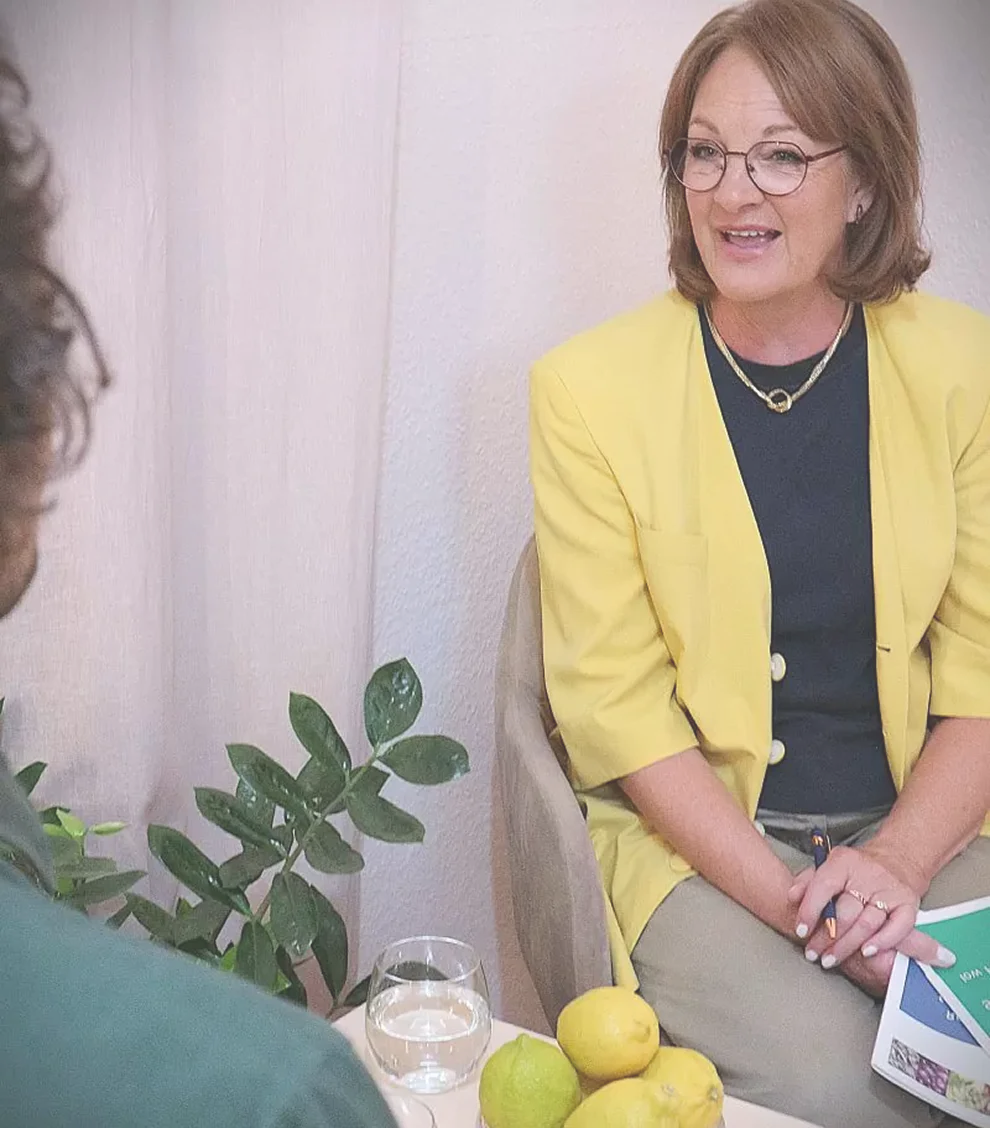
As a dietitian, I see these transformations regularly. People come to me feeling desperate and leave with hope—and more importantly, with practical tools that deliver genuine symptom relief.
“Prior to working with Debra my life was a an IBS nightmare. I’m so happy that these symptoms have completely ceased and my life is returning to a semblance of normality. I would strongly advise anyone with IBS to work try this diet.”
Looking Forward
Twenty years on, the low FODMAP diet history continues to be written. The Monash team keeps expanding their food database, translating resources into multiple languages and training dietitians worldwide to implement the diet correctly.
What started as a hypothesis paper in 2005 has become an internationally recognised, evidence-based treatment that’s changed how we approach IBS management. It’s given millions of people hope and, more importantly, tangible relief.
The success of the Monash University FODMAP research demonstrates what’s possible when rigorous science meets compassionate care. It’s not just about restricting foods—it’s about empowering people to understand their bodies and make informed choices.
As we celebrate this 20-year milestone, it’s worth remembering that the low FODMAP diet remains the most researched and evidence-based dietary approach for IBS. If you’re still struggling with digestive symptoms, this anniversary is a reminder that effective, scientifically proven help is available.
The low FODMAP diet has stood the test of time because it works. It’s safe when implemented correctly and it gives people back control over their lives—and that’s certainly worth celebrating.
Change your life in just 3 sessions
If you’re ready to take control of your IBS, now is the perfect time to get back on track to better health. At FODMAP Consultancy, I specialise in guiding people step by step through the low FODMAP diet. With my expert dietitian-led advice, you’ll gain the tools to manage symptoms confidently. With professional guidance, the low FODMAP diet doesn’t have to be overwhelming—or nutritionally risky. Working with a FODMAP-trained dietitian makes the process safer, shorter and far more effective. Together we can find your triggers, expand your diet and restore confidence in what you eat.
I have a base in Cardiff and Bristol, but work with IBS sufferers across the UK through online sessions. Most of my clients find that only three sessions are needed before they feel confident to move forward on their own. The booklets I’ll send you, have an extensive list of all the foods you can eat on the low FODMAP diet. Find out more about my IBS symptoms relief package. I offer a free initial telephone call for you to decide whether the low FODMAP diet is right for you. So give me a call or fill out the contact form.
To help you decide if this is the right approach for you, see my webpage about IBS treatment and testimonials of those I’ve helped to get their life back on track. There’s no time like the present, so let’s book a call today.
Disclaimer: This blog is for informational purposes only and should not be considered medical advice. If you are experiencing persistent digestive symptoms, please consult a healthcare professional.