The festive season should be joyful, but if you’re struggling with IBS symptoms, Christmas with IBS can feel more stressful than celebratory. Between office parties, family dinners and endless festive treats, maintaining symptom control whilst enjoying festivities feels like walking a tightrope.
The good news? With proper planning and realistic strategies, you can enjoy Christmas without spending Boxing Day regretting every mouthful. Surviving IBS with Christmas successfully isn’t about perfection – it’s about preparation.
Start Planning Now
The biggest mistake people make is waiting until December to think about the festive season management. By then, your diary is full, stress levels are high and you’re making reactive decisions rather than strategic choices.
November should be your planning month. Identify which events matter most to you: the ones you genuinely want to attend and enjoy fully. These are where you’ll invest your energy in choice and symptom management.
For less important obligations, give yourself permission to decline or limit participation. Festive season IBS management starts with protecting your energy and choosing your battles wisely.
Create a realistic assessment of your commitments. Every event carries stress, disrupted routines and food challenges. Saying yes to everything guarantees symptom flare-ups.
The Office Party Strategy
Christmas party IBS concerns top many people’s worry lists at this time of year. Office celebrations often involve buffets, alcohol and limited food control – and along with the stress, a perfect storm for triggering symptoms.
If possible, eat beforehand. Arriving with stable blood sugar and a settled stomach means you’re not making desperate food choices from limited options. You can then nibble selectively rather than relying on party food for a full meal.
With restaurant meals, take a look at the online menu, allowing you to make wise choices ahead of time. Give the venue a call, reducing fuss at the event, to enlist their help in helping you choose an appropriate option.
Research the venue if you can. Knowing bathroom locations and having an exit strategy reduces anxiety significantly. Remember, anxiety itself triggers symptoms, so feeling prepared helps physically as well as mentally.
Scout safe options when you arrive. Most buffets include plain proteins, simple salads and basic options that work even with dietary restrictions. Focus on these rather than risky choices.
Family Dinner Dynamics
Family gatherings present different challenges. Well-meaning relatives ask questions, push food or take offence when you decline Auntie Jean’s special stuffing that’s “always been fine before.”
Have a simple explanation ready: “I’m managing a digestive condition and need to be careful with certain foods.” Most people accept this without requiring detailed FODMAP explanations.
If you’re not hosting, offer to bring a dish you know works for you. This guarantees at least one safe option and shows willingness to contribute rather than just creating difficulties.
For Christmas dinner itself, traditional roast meals actually offer reasonable options – plain turkey, roasted vegetables, and potatoes can all work. The challenge lies in gravies, stuffings and rich sauces where hidden triggers lurk. Take a look at my suggestions for adapting a Festive Lunch.
The Alcohol Question
Alcohol deserves special attention during festive season IBS planning. It affects gut motility, increases intestinal permeability and can trigger symptoms even in people who normally tolerate it well.
If you choose to drink, understanding which options might be safer helps you make informed decisions. However, there’s no “safe” alcohol for everyone with IBS – individual tolerance varies enormously. But try keeping it to a minimum, avoiding obvious triggers like wheat beer and cider.
Consider alternating alcoholic drinks with water or safe soft drinks. This reduces overall alcohol intake whilst maintaining the social aspect of having a drink in hand.
Remember that alcohol lowers inhibitions around food choices too. That third glass of wine makes the cheeseboard and biscuits far more tempting than it might otherwise be.
Managing Treats and Temptations
December brings endless treats – selection boxes at work, chocolates at every gathering, festive biscuits or mince pies with coffee. IBS festive food temptations are everywhere.
You don’t need to avoid everything, but strategic choices prevent cumulative effects. One small treat at a special event is different from daily indulgences throughout December.
Decide which treats genuinely matter to you. If Christmas pudding is your absolute favourite, plan for it. If you’re indifferent about mince pies but they’re everywhere, skip them without guilt.
Keep safe snacks accessible. When you’re genuinely hungry, having suitable options prevents desperate choices that trigger symptoms later.
Stress Management Is Crucial
Christmas with IBS isn’t just about food, stress management matters enormously. The festive season brings financial pressure, social obligations, family dynamics and exhausting schedules.
All this stress directly affects your gut through the gut-brain axis. Even perfect food choices won’t prevent symptoms if you’re chronically stressed throughout December.
Build in recovery time between events. If you have a big party Saturday night, keep Sunday clear for rest and routine. Your gut needs predictable patterns to function optimally.
Maintain some normal routines where possible. Regular meal times, adequate sleep and gentle exercise all support digestive health during disrupted periods.
The Gift of Professional Support
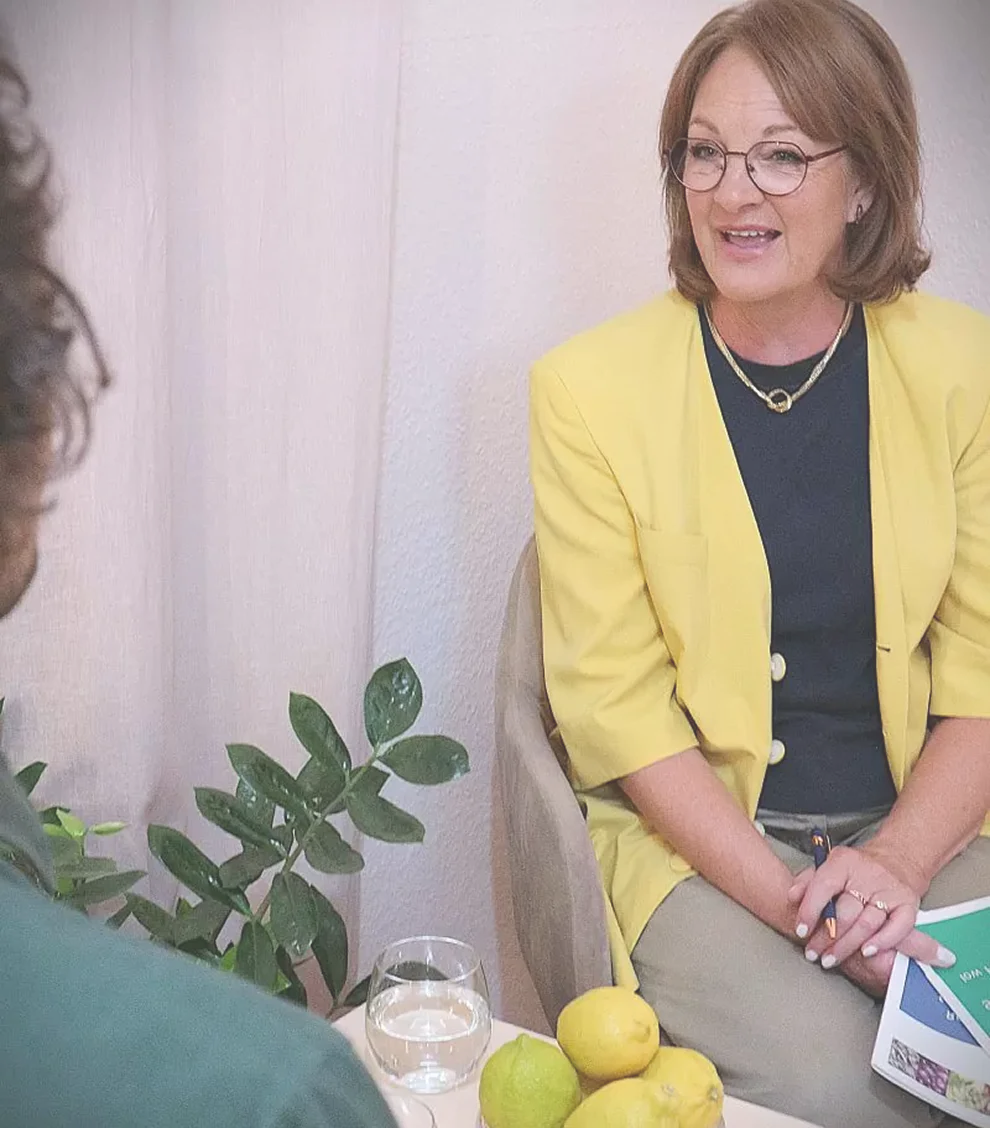
Here’s something many people don’t consider: professional support before the festive season makes everything easier. Understanding your specific triggers, having clear strategies, and feeling confident in managing challenges transforms your experience.
Rather than stumbling through December hoping for the best, you can enjoy celebrations knowing exactly how to handle various situations. This confidence itself reduces stress and subsequent symptoms.
So, a literal gift of support could be the ideal gift for you or someone else wh suffers with IBS. I offer IBS Relief Gift Vouchers that can be purchased for individual sessions or the 3-session package. Usually 3 sessions will see you through the whole process to IBS relief.
Working with a FODMAP-trained dietitian means you can begin identifying triggers before the festive chaos begins. You’re not experimenting during the busiest social season, you’re implementing established strategies.
Boxing Day and Beyond
Even with perfect planning, you might experience some symptoms. Don’t catastrophise or feel you’ve failed, just return to your baseline management approach and your gut will settle.
Use the period between Christmas and New Year to restore routines. This recovery time helps you start January feeling positive rather than defeated and ready to restrict everything.
Remember that managing IBS Christmas successfully doesn’t mean zero symptoms, it means enjoying important moments whilst maintaining reasonable control and bouncing back quickly from any flare-ups.
January Fresh Start
The new year brings renewed health focus. Many people use January to implement proper IBS management strategies after struggling through the festive period.
If you’ve been managing IBS alone or feeling overwhelmed, January is the perfect time to seek professional support from an IBS Specialist. Starting the year with clear strategies, identified triggers, and expert guidance sets you up for success throughout 2026.
The festive season often highlights how much IBS impacts quality of life. Those limitations don’t need to continue, proper management transforms not just December, but every month.
Don’t let another Christmas pass feeling restricted, anxious and symptomatic. With the right approach and my professional support, you can enjoy festive celebrations whilst maintaining digestive wellness and comfort. The key is planning ahead rather than hoping for the best.
Change your life in just 3 sessions
If you’re ready to take control of your IBS, now is the perfect time to get back on track to better health. At FODMAP Consultancy, I specialise in guiding people step by step through the low FODMAP diet. With my expert dietitian-led advice, you’ll gain the tools to manage symptoms confidently. With professional guidance, the low FODMAP diet doesn’t have to be overwhelming—or nutritionally risky. Working with a FODMAP-trained dietitian makes the process safer, shorter and far more effective. Together we can find your triggers, expand your diet, and restore confidence in what you eat.
I have a base in Cardiff and Bristol, but work with IBS sufferers across the UK through online sessions. Most of my clients find that only three sessions are needed before they feel confident to move forward on their own. The booklets I’ll send you, have an extensive list of all the foods you can eat on the low FODMAP diet. Find out more about my IBS symptoms relief package. I offer a free initial telephone call for you to decide whether the low FODMAP diet is right for you. So give me a call or fill out the contact form.
To help you decide if this is the right approach for you, see my webpage about IBS treatment and success stories of those I’ve helped to get their life back on track.
Disclaimer: This blog is for informational purposes only and should not be considered medical advice. If you are experiencing persistent digestive symptoms, please consult a healthcare professional.