
Living with irritable bowel syndrome (IBS) can make even the most enjoyable social occasions feel like a source of stress rather than pleasure. IBS is one of the most common gastrointestinal conditions in the UK, and yet its impact on everyday social life is still widely underestimated. A common question is ‘How can I have a social life with IBS?’ Managing symptoms in social situations can feel daunting, but with the right strategies in place, you absolutely can engage confidently in social life and enjoy it. Here are some practical tips to help you do just that. Unsure if you have IBS? Try the FREE Recipes and IBS Symptom Tracker.
Understanding IBS and its social impact
It helps to understand what’s actually going on. IBS is now recognised as a disorder of the gut-brain axis, meaning that the connection between the brain and the digestive system plays a central role in how and when symptoms occur. Up to 1 in 3 people with IBS also experience anxiety or depression, with gut symptoms affecting mental wellbeing. Stress and anxiety can worsen IBS symptoms, and IBS symptoms can, in turn, fuel anxiety and low mood. This is particularly relevant in social settings, where the anticipation of symptoms can cause as much distress as the symptoms themselves, and can quietly chip away at your enjoyment of life.
Communication is key
You might be surprised how much it helps to open up. IBS affects around 1 in 6 people in the UK, which means there’s a very good chance that someone in your friendship group, family or workplace knows exactly how you feel. Sharing information about your condition with those closest to you creates a more understanding and supportive environment, takes the pressure off social situations and allows you to feel more at ease. You don’t have to share every detail, but just enough for people to understand why you might need to plan ahead, choose certain foods or occasionally need a quiet exit. Most people respond with much more empathy than you’d expect.
Plan ahead for social events
A little preparation goes a long way. If you’re attending a restaurant or event, check the menu in advance and, where possible, make a note of IBS-friendly options. Even ring ahead to explain your dietary needs. Most restaurants are happy to help and accommodate special requests, and doing this in advance means you arrive feeling calm rather than flustered. If you’re visiting a friend, offering to bring a dish that suits your dietary needs is a thoughtful and practical solution. The more you plan, the less headspace the event takes up before it even begins.
Mindful eating
How you eat matters just as much as what you eat when you have IBS. Try to eat slowly, chew your food thoroughly and be present at the table rather than rushing through meals. Eating too quickly, particularly while chatting and breathing through the mouth, can introduce excess air into the digestive system, leading to bloating, discomfort and wind. Keep an eye on portion sizes too; overeating, even with IBS-friendly foods, can still trigger symptoms. Mindful eating is a genuinely simple and effective tool that’s easy to practise in social settings once it becomes a habit.
Stay hydrated
It sounds simple, but staying well hydrated is one of the most effective things you can do to support your digestion during social events. Alcohol and caffeinated drinks, which tend to feature heavily at social situations, can both dehydrate you and act as IBS triggers for many people. Carrying a water bottle or making sure you’re sipping water throughout the event can help keep your digestive system ticking over, reduce the risk of constipation and help you feel more comfortable overall.
Manage stress
Stress is both a cause and a consequence of IBS symptoms, creating a self-perpetuating cycle that can be particularly hard to break in social situations. Building some form of regular stress management into your routine can make a meaningful difference to your baseline symptoms and your resilience when things feel overwhelming. This doesn’t have to be complicated. Deep breathing, yoga, a walk in fresh air or time spent doing something you genuinely enjoy can all help regulate the stress response. The Headspace app is a great starting point if you’re new to mindfulness, offering a free trial and short daily sessions that are easy to fit into a busy life.
Know your limits
Understanding your body and respecting its limits is a form of self-care, not a weakness. It’s absolutely fine to decline an invitation if you’re not feeling well, to leave an event earlier than planned, or to choose a quieter venue where you’ll feel more comfortable. Don’t feel pressured to eat or drink things you know won’t agree with you, even in social situations where it feels awkward to say no. Listening to your body and acting on its signals, rather than pushing through and paying for it later, is one of the most empowering things you can do when living with IBS.
Develop coping strategies
Having a few coping techniques you can draw on can make social situations feel much more manageable. Techniques such as visualisation, positive self-talk and progressive muscle relaxation can all help ease the anxiety that builds around social events, particularly if you’re in a flare-up or feeling uncertain about how your gut will behave. Cognitive behavioural therapy (CBT) and gut-directed hypnotherapy are recognised as effective approaches for managing both IBS symptoms and the psychological impact of the condition. Other avenues to explore could be counselling, yoga or walking groups. These can provide both practical tools and a sense of community.
The low FODMAP diet: a proven approach for managing IBS
Alongside the lifestyle and social strategies, addressing your diet is one of the most powerful steps you can take in managing IBS symptoms for the long term. The low FODMAP diet is recommended as a first-line dietary treatment for IBS, improving symptoms in over 75% of those who follow the diet correctly. For many, the results are life-changing. Feeling more confident about food naturally reduces the anxiety that builds around social situations. This creates a positive cycle where better gut health supports better mental wellbeing, and vice versa. It isn’t a forever diet. The goal is always to identify your personal triggers, reintroduce as many foods as possible. In this way, you can have a balanced, varied diet that works specifically for you. With the right guidance, the low FODMAP diet doesn’t restrict your life; it gives you back the freedom to live it.
Perhaps you’ve already made changes to your diet?
If you’ve changed your diet but your IBS symptoms aren’t improving, you’re not alone. Or maybe you’ve even been trying the low FODMAP diet and it isn’t working as you hoped. It’s rarely down to a lack of effort. Usually, there are clear reasons why. Understanding them is the first step towards real progress. Our Help! page explains the common causes. Or go straight to IBS symptoms not improving or low FODMAP diet not working.
Change your life in just three sessions
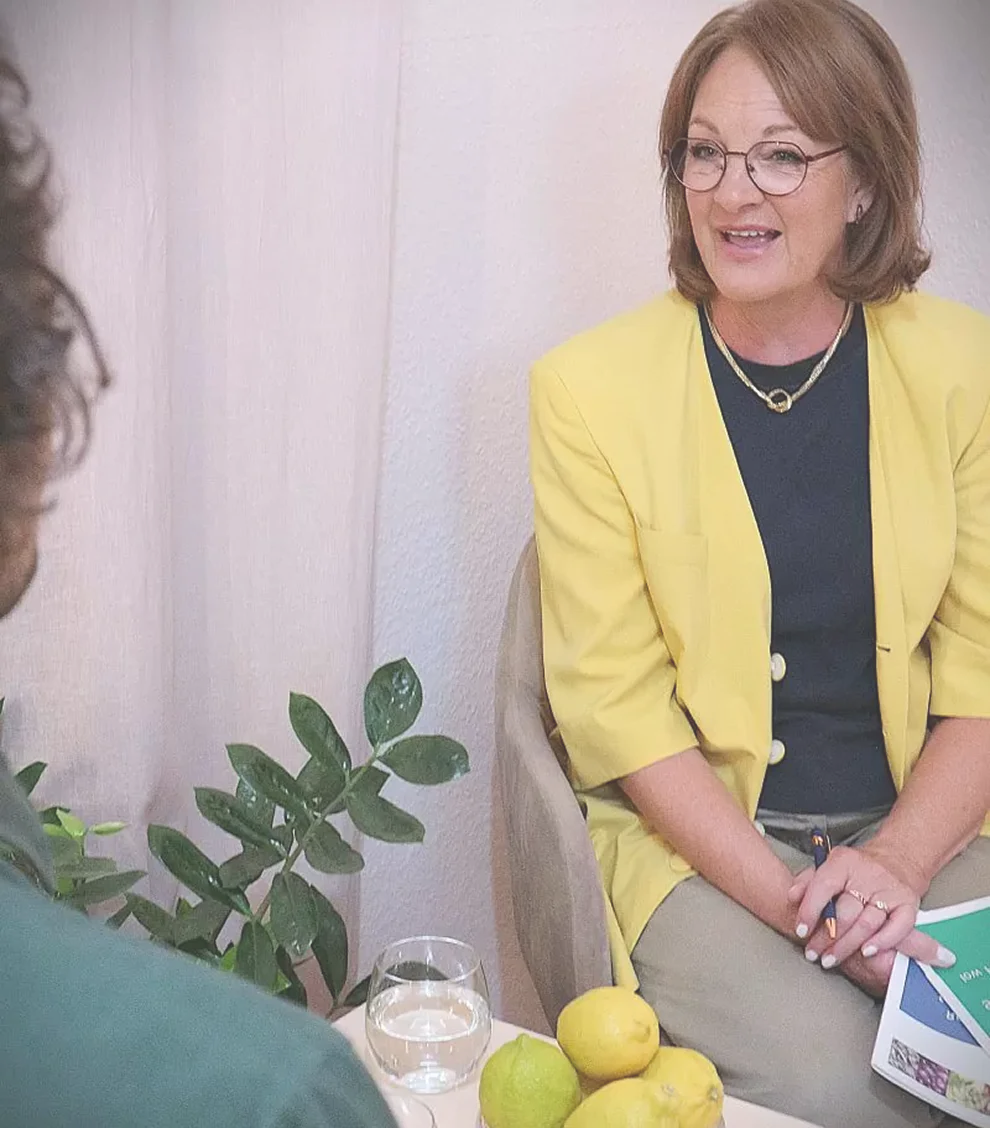
Need help managing your IBS symptoms? I have bases in Cardiff and Bristol, but with online sessions I can work with IBS sufferers across the UK. The vast majority of my clients have found that only three sessions are needed before they feel confident to move forward on their own. I’ll send you booklets with an extensive list of all the foods you can eat on the low FODMAP diet, and I’m available for advice and support between sessions. Find out more about my IBS symptoms relief package. I offer a free initial telephone call for you to decide whether the low FODMAP diet is right foryou. So, give me a call or fill out the contact form.
Many of my clients say that working with a specialist IBS dietitian has been life-changing, and that they are finally managing to live more comfortable, more confident lives.
Read about previous client experiences, and to help you decide whether this is the right approach for you, see my webpage about IBS treatment.
In summary
It is possible to have a social life with IBS. It takes a combination of honest communication, thoughtful preparation, mindful eating and good stress management. With the right tools and support, you can enjoy a full and active social life without IBS calling the shots. Your wellbeing matters, and with the right approach, you really can strike a healthy balance between looking after your gut and living your life to the full.