Many people living with irritable bowel syndrome (IBS) struggle with constipation, bloating, hard stools and discomfort. It’s understandable to wonder: do laxatives help IBS-C? While laxatives can provide short-term relief, current evidence shows they do not address the root cause of IBS and should be used cautiously. Longer-lasting improvement usually comes from dietary changes, hydration, stress management and the specialist support of a FODMAP-trained Dietitian.
Can laxatives help IBS-C?
Laxatives can offer short-term relief, but different types work in different ways and some are more appropriate for IBS-C than others:
• Osmotic laxatives
These draw water into the bowel to soften stools. Examples include lactulose, Laxido and Movicol. They are generally considered safe for short-term use in IBS-C. With this type of laxatives, staying well hydrated is essential to prevent dehydration or headaches
• Stimulant laxatives
These encourage the bowel muscles to contract more actively. Bisacodyl (Dulcolax) is a common example. While they can work quickly, they also increase the risk of cramping, diarrhoea and rebound constipation. They are not recommended long term
• Bulk-forming laxatives
These increase stool bulk using fibres such as psyllium husk or methylcellulose. Psyllium is now widely recommended as the preferred fibre supplement for IBS-C, as research suggests it is better tolerated than wheat bran or harsher fibres. It should be introduced gradually though, alongside plenty of fluids
Are laxatives a quick fix?
While it can be tempting to rely on laxatives, they do have limitations:
• Dependence: Overuse can make the bowel ‘lazy’ and reliant on stimulation
• Worsening symptoms: Stimulant laxatives can increase cramping or trigger diarrhoea
• Dehydration: Some laxatives draw water away from the body, causing fatigue or dizziness
• Nutrient malabsorption: Long-term use may affect absorption of vitamins and minerals
• Masking the underlying issue: IBS-C is often driven by food triggers, gut sensitivity, stress, dehydration or low fibre – none of which are corrected by laxatives
Current IBS guidelines emphasise that laxatives may help as a temporary measure, but they are not a long-term solution and should be used with professional advice.
Safer alternatives for IBS-C relief
Before reaching for laxatives, consider a more natural alternative such as lifestyle and dietary strategies:
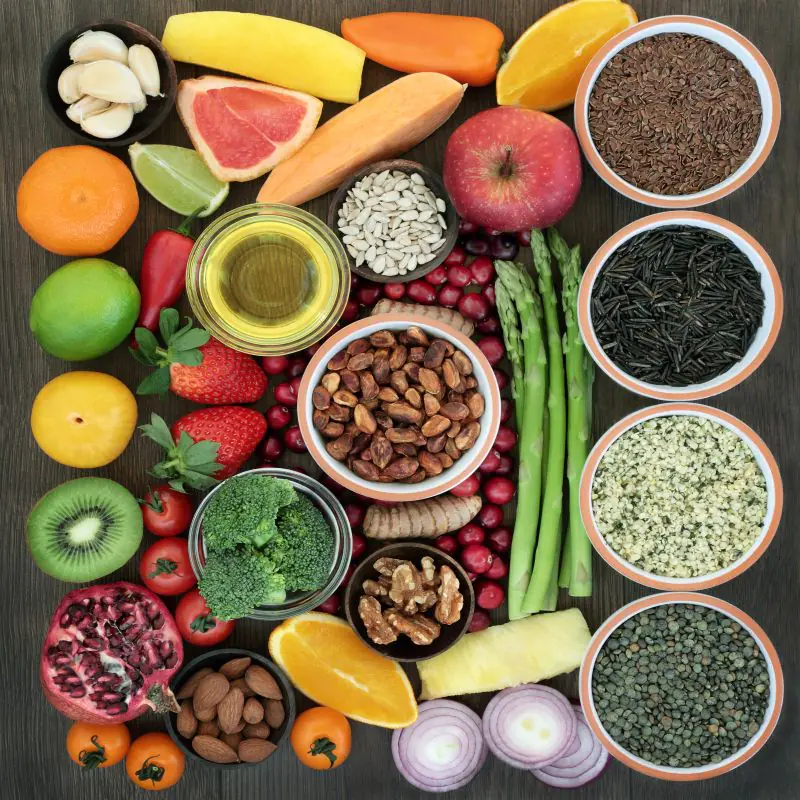
• Gradual fibre increase – Aim for around 30g daily through fruit, vegetables and whole grains, but increase slowly. Psyllium husk is now the most evidence-based fibre supplement for IBS-C
• Hydration – 1.5–2 litres of fluids per day helps soften stools and reduce straining
• Exercise – Movement stimulates gut motility. Walking, swimming and cycling all help
• Stress reduction – Stress has a well-established impact on IBS symptoms. Yoga, meditation and breathing techniques can support gut–brain calm
When should you speak to your GP?
Consult your GP if you experience:
- sudden changes in bowel habits
- blood in your stools
- unexplained weight loss
Your GP may arrange blood tests, or refer you to a specialist to rule out other causes of your constipation.
The FODMAP connection
Certain foods, especially those high in fermentable oligosaccharides such as fructans and GOS can worsen bloating and constipation. The low FODMAP diet is supported by robust clinical evidence and improves symptoms in over 75% of people with IBS when done properly. The best results are seen sooner when the dietary changes are supported by a FODMAP-trained dietitian.
Importantly, some laxatives do help with IBS-C, but may contain FODMAP ingredients such as sorbitol, which can worsen IBS symptoms. Always check the ingredients or ask your pharmacist or Dietitian for advice.
Working with a FODMAP-trained Dietitian ensures you follow the diet safely, identify your triggers and maintain a nutritious, balanced intake. Going it alone often takes longer, is more restrictive with many people giving up before seeing the benefit and improvement in their IBS symptoms.
Choosing the best laxative for you
If you do need to use a laxative:
- Osmotic laxatives are generally recommended first
- Use laxatives short term only
- Follow dosage instructions carefully
- Combine use with hydration and dietary changes
- Seek professional advice if symptoms persist
Laxatives can be helpful, but they should be a last resort once dietary and lifestyle changes have been explored.
Additional tips for IBS management
- Aim for 30 minutes of movement most days
- Prioritise sleep as poor sleep worsens IBS symptoms
- Certain probiotics may help, particularly Bifidobacterium strains. Choose live, evidence-based products and trial them for 4–8 weeks
Can a FODMAP-trained Dietitian help improve my IBS symptoms?
Absolutely. A FODMAP-trained Dietitian can help you:
- Get to the root causes and help identify your unique IBS triggers
- Navigate the low FODMAP diet safely
- Improve gut regularity through tailored fibre and hydration strategies
- Reduce reliance on laxatives
- Improve your confidence and quality of life
Professional support is often far more effective than trying to manage IBS alone.
Change your life in just 3 sessions
If you’re ready to take control of your IBS, now is the perfect time to get back on track to better health. At FODMAP Consultancy, I specialise in guiding people step by step through the low FODMAP diet. With my expert dietitian-led advice, you’ll gain the tools to manage symptoms confidently. With professional guidance, the low FODMAP diet doesn’t have to be overwhelming – or nutritionally risky. Working with a FODMAP-trained dietitian makes the process safer, shorter and far more effective. Together we can find your triggers, expand your diet, and restore confidence in what you eat.
I have a base in Cardiff and Bristol, but work with IBS sufferers across the UK through online sessions. Most of my clients find that only three sessions are needed before they feel confident to move forward on their own. The booklets I’ll send you, have an extensive list of all the foods you can eat on the low FODMAP diet. Find out more about my IBS symptoms relief package. I offer a free initial telephone call for you to decide whether the low FODMAP diet is right for you. So give me a call or fill out the contact form.
To help you decide it this is the right approach for you, take a look at the success stories on my website. These are testimonials from those I’ve helped to get their life back on track.
Disclaimer: This blog is for informational purposes only and should not be considered medical advice. If you are experiencing persistent digestive symptoms, please consult a healthcare professional.