Travelling is an exciting adventure that allows you to explore new places, experience different cultures and create lasting memories. However, for those with irritable bowel syndrome (IBS), the prospect of travelling can create anxiety around diet and managing IBS symptoms while on the go. This blog will provide you with valuable IBS-friendly travel tips and strategies for maintaining a low FODMAP diet and enjoying your travels to the fullest. Unsure if you have IBS? Try the FREE Recipes and IBS Symptom Tracker.
TIP 1 – Plan ahead
One of the key aspects of successful IBS-friendly travel is preparation. Contact your hotel ahead of time and let them know of some basic requirements such as wheat free bread and lactose free milk. Research the destinations you’ll be visiting and identify supermarkets, restaurants or eateries that offer low FODMAP options. Many cities now have restaurants that cater to various dietary needs. Some even have online menus that highlight allergen and FODMAP information. If possible make reservations in advance to ensure you have suitable dining options available. Don’t be afraid to ask! Most restaurants and eating places will be only too happy to help.
TIP 2 – Pack some snacks
When travelling, pack a variety of IBS-friendly snacks for your journey. Snacks like rice cakes, low FODMAP nuts, seeds, plain potato crisps and wheat free crackers would be great to have in your hand luggage. These can help you maintain stable blood sugar levels and keep your hunger at bay between meals. Fruits like bananas, grapes, and oranges are also good options, as they are generally well-tolerated by most people with IBS.
TIP 3 – BYO supplies
Travelling with your own essentials can make a significant difference in managing your IBS symptoms. If possible take a small cooler bag with ice packs to store perishable items like lactose free yoghurt and a few low FODMAP ready meals. Take supplies of oats, wheat free bread, crackers and biscuits. If you suffer with constipation, make sure you pack some extra fibre such as milled linseeds. Additionally, taking your favourite low FODMAP condiments can help you enhance the flavour of your meals. These could be low FODMAP sauces, soy sauce, wasabi, chilli and asafoetida.
TIP 4 – Stay hydrated
Proper hydration is crucial for maintaining digestive health, especially when travelling. The additional coffee and alcohol that we all enjoy on holidays can make us more dehydrated. Carry a refillable water bottle and aim to drink 1.5-2 litres of water throughout the day. In warmer climates you’ll need extra, so aim for at least 2 litres per day. Staying hydrated is important in preventing constipation and promotes overall well-being.
TIP 5 – Opt for simple meals
When dining out, opt for simple, unprocessed meals. Grilled meats, fish and poultry, along with steamed vegetables are generally safe choices for those with IBS. Boiled or mashed potato, jacket potato, chips or rice are good choices. (Check the chips though- sometimes they’ve been dipped in flour to make them more crunchy). Many pasta and pizza restaurants offer wheat/gluten free options. Avoid sauces and gravy where possible. Don’t be afraid to ask for dishes that avoid high FODMAP ingredients such as onion, garlic and certain dairy products. For dessert, choose a sorbet or fresh (suitable) fruit option. Many restaurants offer a lactose free ice cream too.
TIP 6 – Watch your portion sizes
You’re on holiday and it’s really tempting to over-indulge in delicious foods while travelling, but be mindful of portion sizes. Overeating, even with IBS-friendly foods, can lead to discomfort and digestive distress. Listen to your body’s cues and stop eating when you feel comfortably full. Also, keep your alcohol intake in check, as this can also bring about IBS symptoms. Most beers, wines and spirits are low FODMAP (in moderation), but avoid wheat beer, cider and rum. When choosing a mixer, avoid the ‘diet/low sugar’ options, as these are often high FODMAP. But remember the calories in the full sugar versions.
Improving IBS symptoms and enjoy travelling
Many IBS sufferers find an association between their symptoms and the foods they eat. An increase in symptoms negatively effects the way we travel and our enjoyment. In the UK, ~1 in 5 people suffer from IBS symptoms. The low FODMAP diet is an efficient way of identifying food triggers. It’s tricky to do alone, so should always be supported with the skills and knowledge of an IBS Dietitian trained in FODMAPs. With support, sufferers can identify their triggers and improve management of IBS symptoms. An IBS/FODMAP dietitian will provide practical ways to help fit the low FODMAP diet into your lifestyle and help you plan for holidays and travel. With support, this will improve your symptoms and help you look forward to your travels.
Enjoy your travels
Travelling with IBS doesn’t have to be daunting. By planning ahead, packing suitable snacks and communicating your dietary needs, you can enjoy your well-earned break away. Following these IBS-friendly travel tips will help you minimise your IBS symptoms. With a bit of preparation and a positive mindset, you can embark on your adventures with confidence, knowing that you’re taking steps to care for your digestive well-being. Have a great holiday. Check out my other blogs and recipes. For best results when following a low FODMAP diet, consult an IBS dietitian.
Change your life in just three sessions
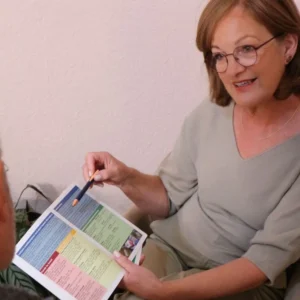
Need help to manage your IBS symptoms? I have a base in Cardiff and Bristol, but work with IBS sufferers across the UK through online sessions. The vast majority of my clients have found that only three sessions are needed before they feel confident to move forward on their own. I will send you booklets, which have an extensive list of all the foods you can eat on the low FODMAP diet. I’m available for advice and support between sessions. Find out more about my IBS symptoms relief package. I offer a free initial telephone call for you to decide whether the low FODMAP diet is right for you. So give me a call or fill out the contact form.
To help you decide it this is the right approach for you, see my webpage about IBS treatment.
Disclaimer: This blog is for informational purposes only and should not be considered medical advice. If you are experiencing persistent digestive symptoms, please consult a healthcare professional.