
The low FODMAP diet has become one of the most effective ways to manage irritable bowel syndrome (IBS), bringing relief from bloating, pain and unpredictable bowel habits. But while the benefits are clear, there is also a hidden risk when the plan is followed for too long: low FODMAP and nutrient deficiencies often go hand in hand if the diet isn’t carefully managed. Understanding why this happens and how to avoid it. Also, how to get the best results without compromising your long-term health. Unsure if you have IBS? Try the FREE Recipes and IBS Symptom Tracker.
Why nutrient deficiencies happen
The initial phase of the low FODMAP diet is designed to be short-term, usually lasting 4–8 weeks. During this time, high FODMAP foods are restricted to identify triggers. If someone follows this strict elimination diet for longer than recommended, the risk of reduced dietary variety and missing out on essential nutrients increases. This happens when an IBS sufferer tries to undertake the diet independently. This results in delayed improvement, too long in the restriction phase and either abandoning of the diet or missing out the all-important reintroductions.
Fibre is often the first nutrient affected, since many high FODMAP foods like beans, lentils, apples, pears and wholegrains are excellent fibre sources. A diet low in fibre may not only affect gut regularity but also reduce the diversity of beneficial gut bacteria. Calcium intake can also become an issue if someone cuts out dairy without replacing it with lactose-free or fortified alternatives. Similarly, folate, B-vitamins and certain minerals may be reduced if whole food groups are avoided for too long.
The importance of reintroduction
The low FODMAP diet is not meant to be a permanent way of eating. Its strength lies in the three-step process: elimination, reintroduction and personalisation. The reintroduction phase is crucial because it helps you discover which FODMAP groups are your personal triggers, while re-opening the possibility of enjoying as many foods as possible. This ensures that your diet is nutritionally balanced and enjoyable, while still managing IBS symptoms effectively.
Unfortunately, many people attempt the low FODMAP diet without support and get ‘stuck’ in the elimination phase. While this may provide some symptom relief, it often doesn’t resolve IBS symptoms and comes at the expense of nutrient intake and long-term gut health.
How to avoid the risks
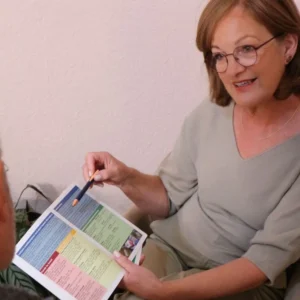
The safest way to follow the low FODMAP diet is with the guidance of a FODMAP-trained dietitian. A professional can help:
- Shorten the strict elimination phase to the minimum necessary time
- Provide alternative low FODMAP food swaps to maintain nutrient intake
- Guide you through reintroduction safely and effectively
- Tailor the diet to your personal lifestyle, culture and preferences
With this support, you can feel confident that you are not only reducing IBS symptoms but also protecting your long-term health.
Finding balance for life
The low FODMAP diet works best when used as a short-term tool, not a lifelong restriction. By reintroducing foods strategically, you can enjoy a diverse and balanced diet while still keeping your symptoms under control. It’s not about avoiding foods forever, but about understanding your unique tolerances and finding freedom with food again.
Change your life in just three sessions
With professional guidance, the low FODMAP diet doesn’t have to be overwhelming—or nutritionally risky. Working with a FODMAP-trained dietitian makes the process safer, shorter and far more effective. Together we can find your triggers, expand your diet, and restore confidence in what you eat. I have a base in Cardiff and Bristol, but work with IBS sufferers across the UK through online sessions. Most of my clients find that only three sessions are needed before they feel confident to move forward on their own. The booklets I’ll send you, have an extensive list of all the foods you can eat on the low FODMAP diet. Find out more about my IBS symptoms relief package. I offer a free initial telephone call for you to decide whether the low FODMAP diet is right for you. So give me a call or fill out the contact form.
To help you decide it this is the right approach for you, see my webpage about IBS treatment.
Disclaimer: This blog is for informational purposes only and should not be considered medical advice. If you are experiencing persistent digestive symptoms, please consult a healthcare professional.