We hear it all the time that eating a plant-based diet is better for our health. But what does that really mean? How do you do it without triggering gut symptoms like bloating, discomfort or urgency? Read on to find out how you can increase plant diversity in a low FODMAP diet. Unsure if you have IBS? Try the FREE Recipes and IBS Symptom Tracker.
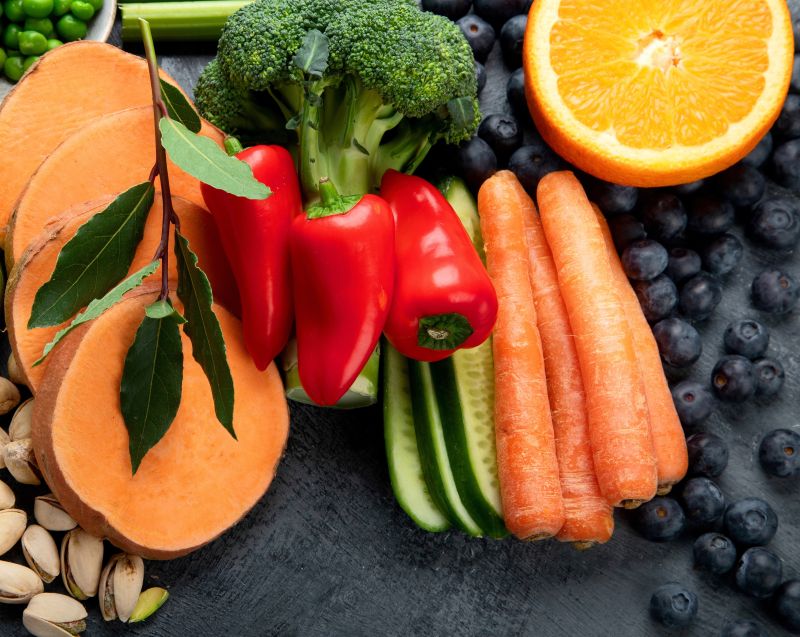
The key lies in plant diversity. Simply put, eating a wide variety of plant-based foods. These include: fruits, vegetables, whole grains, herbs, legumes, nuts and seeds — helps feed a thriving gut microbiome. Research shows that gut microbiome diversity supports an efficient immune system, reduces inflammation and improves digestion. The microbiome is even thought to impact upon mood and energy levels.
But, if you’re one of the many people managing irritable bowel syndrome (IBS), increasing plant variety may feel overwhelming. That’s where the low FODMAP diet can help. With the right support, you can still enjoy all the benefits of plant diversity.
Why Plant Diversity Matters
Think of your gut as a garden. Every food you eat, including fruit and vegetables acts as a fertiliser. Each food feeds a unique group of bacteria that make up your very individual microbiome. The more types of food you eat, the more varied your microbiome becomes. This is thought to make the microbiome stronger and more resilient.
5 daily portions of different plant foods may be linked to:
- Reduced gut inflammation
- Improved bowel regularity
- Better blood sugar and cholesterol levels
- Enhanced mood and mental clarity
- Greater enjoyment of food and meals
Can You Eat a Diverse Plant Diet on Low FODMAP?
Yes — with a bit more care. The low FODMAP diet is a temporary elimination plan designed to reduce IBS symptoms by cutting out certain fermentable carbohydrates. It’s a tricky diet to do alone and better success is seen when supported by a FODMAP-trained Dietitian. It’s highly effective for many people, improving symptoms in over 75% of IBS sufferers. However, it’s not intended to be followed long term. The real power of the diet comes in the second and third phases — reintroduction and personalisation phases.
During reintroduction, you systematically test different high FODMAP foods to identify your personal triggers. This process allows you to bring back many nutritious plant foods you may have avoided unnecessarily. That’s where real diversity returns.
After the reintroduction phase, many people find that they can tolerate a wide range of plant foods in moderate portions. Even foods once thought ‘off-limits’ can often be enjoyed as part of a varied and satisfying diet.
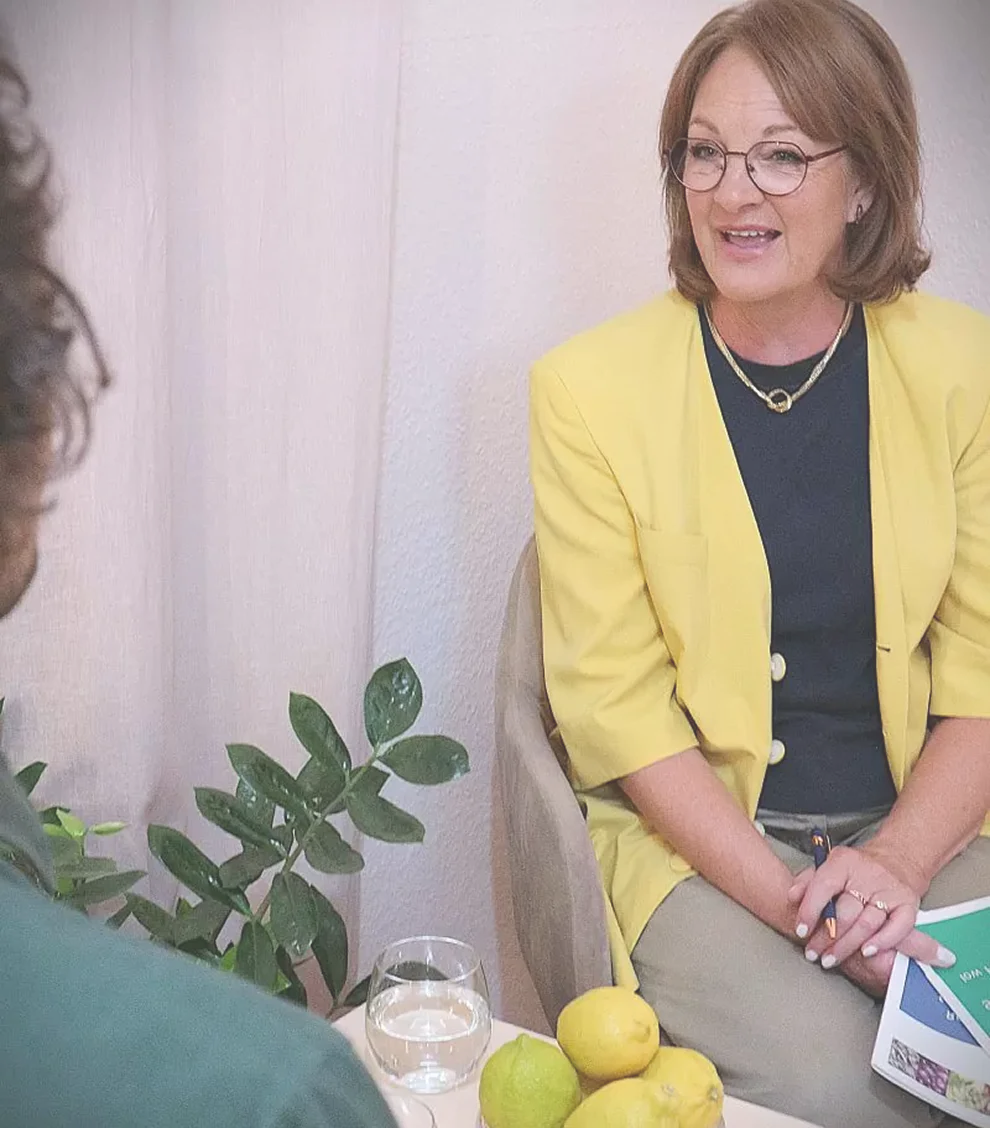
At FODMAP Consultancy, I support clients through every step of this journey — from calm elimination to confident reintroduction. This helps you rebuild a diverse, balanced diet that supports both your gut and overall wellbeing. During their low FODMAP journey, many of my clients find that the Field Doctor range of ready meals really help. They can enjoy the tasty range in full knowledge that it won’t aggravate their gut.
Simple Tips to Boost Your Plant Diversity
Here are a few practical, IBS-friendly ideas to add more plant foods to your plate:
- Eat the rainbow: Choose fruits and vegetables in a variety of colours — these are a rich source of antioxidants
- Mix up your grains: Instead of just rice, try low FODMAP options like oats, quinoa, polenta and millet
- Add herbs and spices: Fresh or dried, these count as plant foods too! Try basil, mint, coriander or parsley for flavour and gut health benefits
- Go for ‘mini swaps’: Swap cashew (high FODMAP) for walnuts (low FODMAP). Or try the green tops of spring onions and leeks instead of onions
- Plant-rich meals: Stir-fries, soups and grain bowls are perfect for packing in different vegetables, herbs and legumes in tolerated amounts
- Make it easy with nutritious ready meals: Try the Field Doctor’s Low FODMAP range. These offer healthy ready meals designed to nourish your gut without the prep time. Many include a diverse mix of vegetables, grains and herbs, making plant diversity easy even on busy days
The Takeaway
Eating a more diverse, plant-rich diet is one of the best things you can do for your gut. This is still possible, even if you have IBS. You can even increase plant diversity in a low FODMAP diet. Remember, the low FODMAP diet is a tool to help you identify your triggers, not a lifetime restriction. With the right support, you can reintroduce a wide variety of foods, improve your gut health and enjoy mealtimes again.
If you’re feeling confused or restricted by your IBS symptoms, professional support could be the missing piece of the puzzle. Trying the low FODMAP diet alone can be difficult and often takes much longer. A FODMAP Dietitian can transform your IBS journey and guide you towards long-term success.
Change your life in just three sessions
Need help to manage your IBS symptoms? I have a base in Cardiff and Bristol, but work with IBS sufferers across the UK through online sessions. Most of my clients find that only three sessions are needed before they feel confident to move forward on their own. The booklets I’ll send you, have an extensive list of all the foods you can eat on the low FODMAP diet. I’m available for advice and support between sessions. Find out more about my IBS symptoms relief package. I offer a free initial telephone call for you to decide whether the low FODMAP diet is right for you. So give me a call or fill out the contact form.
To help you decide it this is the right approach for you, see my webpage about IBS treatment.
Disclaimer: This blog is for informational purposes only and should not be considered medical advice. If you are experiencing persistent digestive symptoms, please consult a healthcare professional.