If you’re following the low FODMAP diet to help ease your IBS symptoms, you’ve likely found it tricky to find suitable fibre sources. Many high-fibre foods are also high in FODMAPs, leaving you caught between managing symptoms and maintaining digestive regularity. This is where psyllium husk on the low FODMAP diet becomes an invaluable tool in managing your IBS.
What Is Psyllium Husk?
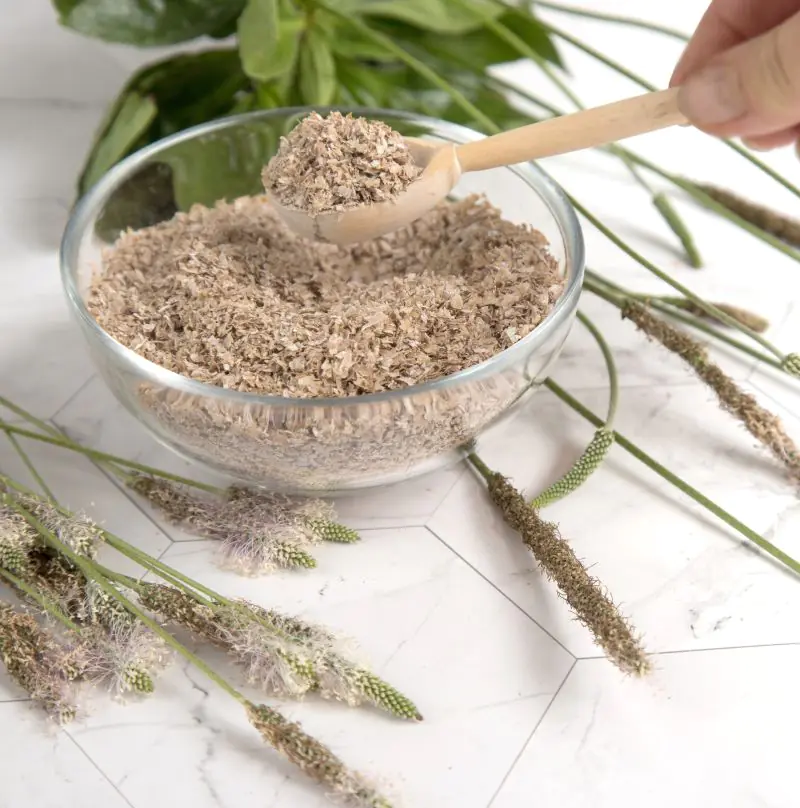
Psyllium husk is a natural fibre supplement derived from the seeds of Plantago ovata, a plant native to India and Pakistan. The husk (the outer coating of the seed) is extraordinarily rich in soluble fibre, which absorbs water and forms a gel-like substance in your digestive tract. This unique property makes it particularly effective for promoting healthy bowel movements and supporting overall gut function.
Unlike many fibre supplements, psyllium husk has been tested by Monash University and confirmed as low FODMAP in appropriate serving sizes. This makes it a safe, reliable option when you’re working to calm your digestive system.
Why Psyllium Husk Works on the Low FODMAP Diet
One of the most frustrating aspects of starting the low FODMAP diet is the potential drop in fibre intake. Foods like wheat bran, beans, certain fruits, and many vegetables are restricted during the elimination phase, which can sometimes lead to constipation. In an effort to improve your gut health, you might find yourself dealing with new discomfort.
Psyllium husk offers a gentle solution because it provides substantial fibre without the FODMAP load. The recommended low FODMAP serving is up to two tablespoons (~14g) per day. This amount delivers meaningful fibre content whilst remaining kind to sensitive digestive systems. Larger amounts may contain moderate levels of fructans, so sticking to the recommended portion is important.
The Benefits for Your Digestive Health
The soluble fibre in psyllium husk attracts water and creates bulk in the stool, helping to promote regular, comfortable bowel movements. This can be particularly helpful if you’re experiencing constipation (IBS-C).
Interestingly, psyllium can also help with diarrhoea by absorbing excess water in the digestive tract, making it a versatile option for those with diarrhoea-predominant IBS (IBS-D) or mixed symptoms too. This dual action is effective and one of the reasons I often recommend it during consultations.
Beyond regularity, the gel-forming property of psyllium supports the growth of beneficial gut bacteria. Whilst it doesn’t ferment as rapidly as some other fibres (which is precisely why it’s low FODMAP), it still nourishes your microbiome, supporting long-term gut health.
How to Use Psyllium Husk Effectively
When you’re ready to introduce psyllium husk, start slowly. Begin with just one teaspoon and gradually increase to your desired serving over a week or two. This gradual approach allows your digestive system to adjust and minimises potential bloating.
Hydration is absolutely crucial. Always mix psyllium with plenty of water or other low FODMAP liquids. This should be at least 250ml per serving, followed up with another glass of water. The fibre needs adequate fluid to work its magic and prevent it from becoming too thick in your gut.
Timing matters as well. Take psyllium husk at least two hours before or after medications or other supplements, as it may interfere with their absorption. Many people find that taking it first thing in the morning or before bed fits well into their routine.
Practical Tips for Success
You can incorporate psyllium husk into various foods and beverages too. Stir it into low FODMAP smoothies, mix it with lactose free yoghurt, or add it to gluten free baking.
Be patient with results. Whilst some notice improvements within a few days, it may take up to two weeks of consistent use to experience the full benefits. Consistency truly is more important than large doses.
If you experience increased bloating when first using psyllium husk, simply reduce the amount and increase more gradually. Everyone’s tolerance is different, and finding your optimal dose may require some gentle experimentation.
Moving Forward with Confidence
Psyllium husk on the low FODMAP diet represents a valuable tool for maintaining adequate fibre intake without triggering digestive symptoms. Its low FODMAP status, combined with its effectiveness in promoting digestive regularity and supporting gut health, makes it an excellent addition to your management strategy.
Remember, the low FODMAP diet is meant to be a temporary elimination protocol followed by systematic reintroduction. Psyllium husk can support you throughout this entire journey, providing consistent, gentle fibre that works with your body rather than against it. If you’re feeling overwhelmed by managing fibre intake, symptom patterns, or reintroduction challenges, expert guidance can make all the difference. With the right support, you can gain clarity, confidence, and lasting relief.
Change your life in just 3 sessions
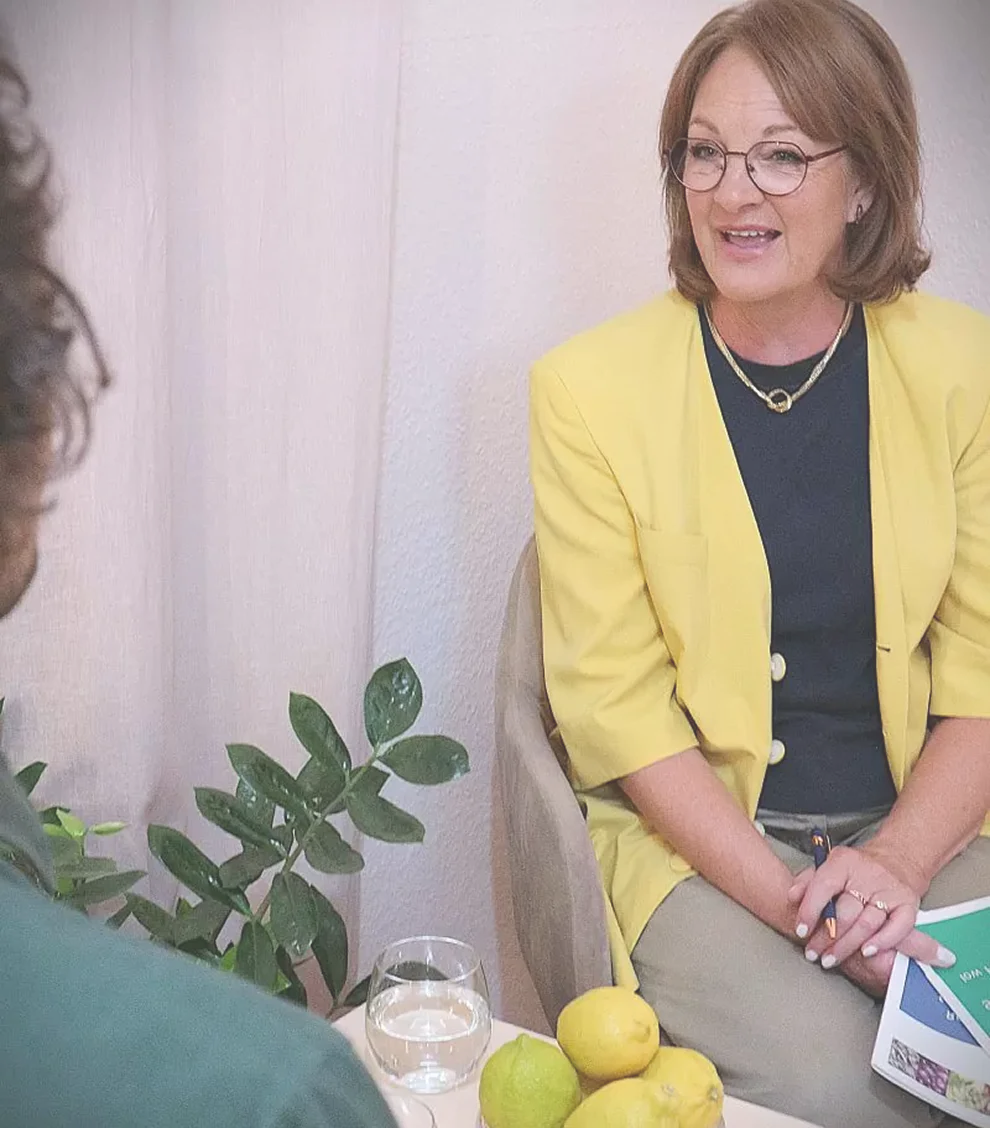
If you’re ready to take control of your IBS, now is the perfect time to get back on track to better health. At FODMAP Consultancy, I specialise in guiding people step by step through the low FODMAP diet. With my expert dietitian-led advice, you’ll gain the tools to manage symptoms confidently. With professional guidance, the low FODMAP diet doesn’t have to be overwhelming – or nutritionally risky. Working with a FODMAP-trained dietitian makes the process safer, shorter and far more effective. Together we can find your triggers, expand your diet, and restore confidence in what you eat.
I have a base in Cardiff and Bristol, but work with IBS sufferers across the UK through online sessions. Most of my clients find that only three sessions are needed before they feel confident to move forward on their own. The booklets I’ll send you, have an extensive list of all the foods you can eat on the low FODMAP diet. Find out more about my IBS symptoms relief package. I offer a free initial telephone call for you to decide whether the low FODMAP diet is right for you. So give me a call or fill out the contact form.
To help you decide it this is the right approach for you, take a look at the success stories on my website. These are testimonials from those I’ve helped to get their life back on track.
Disclaimer: This blog is for informational purposes only and should not be considered medical advice. If you are experiencing persistent digestive symptoms, please consult a healthcare professional.