
If you’re struggling with irritable bowel syndrome (IBS), you’re far from alone. IBS is estimated to affect 1 in 6 people in the UK at some point in their lives, and it can have a significant impact on quality of life. Your symptoms can cause discomfort and unpredictable symptoms like abdominal pain, bloating, diarrhoea and constipation. Unsure if you have IBS? Try the FREE Recipes and IBS Symptom Tracker. The good news is that many people are surprised by how quickly their symptoms can improve with the right support. A comprehensive review of 192 studies published in 2025 confirmed that the low FODMAP diet significantly reduces IBS symptom scores and improves quality of life. The best results are seen with expert guidance – you could start feeling better in just a few short weeks. So, what are you waiting for?
What is the low FODMAP diet?
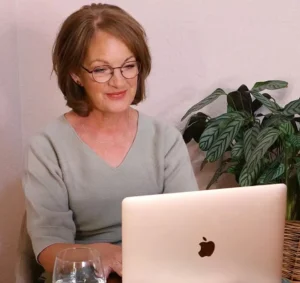
FODMAPs — which stands for Fermentable Oligosaccharides, Disaccharides, Monosaccharides and Polyols. These are a group of short-chain carbohydrates that are poorly absorbed in the small intestine. In people with IBS, these are fermented in the large intestine. The ferementation process draws in water and produces gas, which trigger those all-too-familiar symptoms. The low FODMAP diet works by identifying which of these FODMAPs are causing your symptoms, so that your diet can be personalised around your specific tolerances. It’s a process that is difficult to navigate alone, even with AI, which is exactly where I come in. Through online consultations, practical booklets, tips and regular check-ins, I’ll ensure you stay on track, feel supported and get the best results.
The phased approach
It’s important to know that the low FODMAP diet is not a diet for life. It’s a structured, temporary programme designed to help you identify the foods that trigger your symptoms. In this way, you can eventually enjoy a varied, balanced diet with confidence. I’ll guide and support you through each of the three phases:
Restriction Phase: High FODMAP foods are eliminated for 4 to 8 weeks, giving your gut the chance to settle and symptoms to improve. I’ll keep in regular contact throughout to make sure this phase is only as long as it needs to be.
Reintroduction Phase: This is a crucial step – different types of FODMAPs are systematically reintroduced to identify your individual triggers and tolerance levels. This phase is what transforms the diet from a restriction into a revelation.
Personalisation Phase: Based on your triggers, together we’ll build a personalised long-term plan that keeps your IBS symptoms under control. Helping you maintain a nutritious, enjoyable and balanced diet.
How the low FODMAP diet helps
Reduced bloating and gas: By limiting FODMAPs, the low FODMAP diet can significantly reduce gas, ease bloating, abdominal discomfort and embarrassment. Symptoms that so many IBS sufferers experience on a daily basis.
Improved digestive comfort: You’ll notice a real improvement in overall digestive comfort, with less abdominal pain, less bloating and more predictable bowel habits. Changes are often seen within days or just a few weeks of starting the restriction phase.
Better quality of life: Managing your IBS symptoms effectively has a profound knock-on effect on your wider life. From feeling more confident socially and at work, to being able to travel and eat out without anxiety. The benefits go well beyond the gut.
Working with a Dietitian to help your IBS
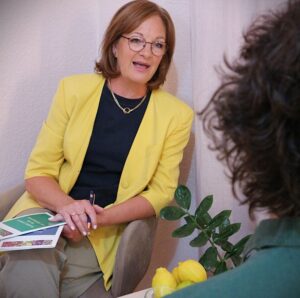
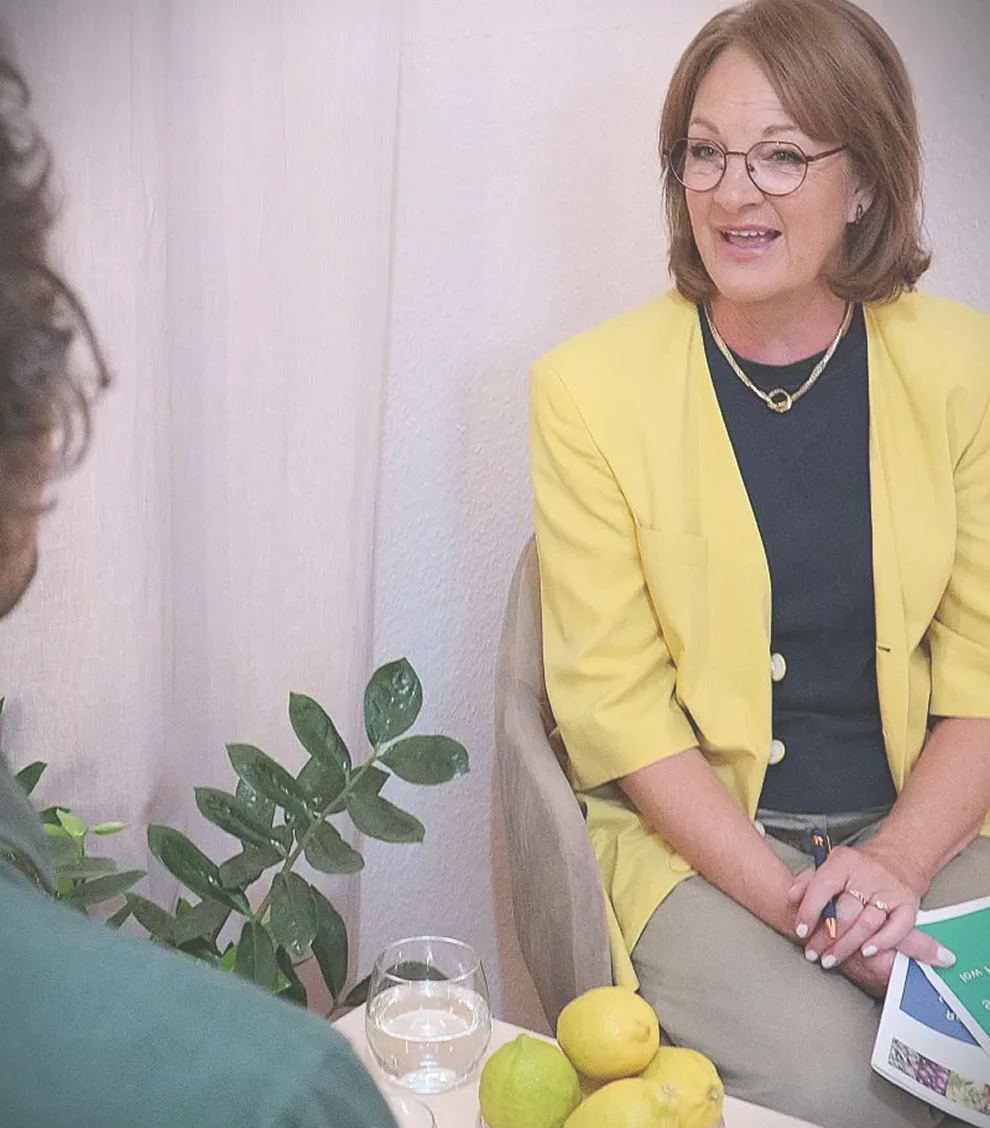
As a Registered Dietitian specialising in the low FODMAP diet, I provide personalised, evidence-based guidance throughout the entire process. I’ll help you navigate the complexities of the diet, ensure your nutritional needs are fully met and support you every step of the way. With my extensive knowledge and experience, I’ll simplify things for you and be there to hold your hand through the process.
Before we begin, we’ll take time to talk through your symptoms, your lifestyle and your goals. Via my FREE initial call, we’ll decide together then if the low FODMAP diet is right for you. The more I understand about you, the more practical and effective the advice I can give you.
As all my consultations are online, I work across the UK. I’ll send you booklets ahead of your first session to get you off to the best possible start. Most people find a 3-session package gives them the full, joined-up support they need to get back to good health. The vast majority need just three sessions before feeling confident to move forward independently.
The low FODMAP diet typically works its magic within a few weeks, but sometimes in just a few days. However, it does require some commitment and consistency on your part. I’m here for support and encouragement between sessions, whenever you need it.
One person’s triggers….
IBS is highly individual, so what triggers one person’s symptoms may be perfectly well tolerated by another. This is why a personalised approach always produces better results than a one-size-fits-all plan. If your symptoms are new, have changed significantly or if you have blood in your stools, check with your GP as soon as possible. If you’re ready to take the next step, book your FREE call to find out more about IBS and FODMAPs.
Still Struggling despite making Changes to your Diet?
If you’ve changed your diet but your IBS symptoms aren’t improving, you’re not alone. Or maybe you’ve even been trying the low FODMAP diet and it isn’t working as you hoped. It’s rarely down to a lack of effort. Usually, there are clear reasons why. Understanding them is the first step towards real progress. Our Help! page explains the common causes. Or go straight to IBS symptoms not improving or low FODMAP diet not working.
So, Can a Dietitian really help IBS?
Absolutely! The evidence is there to back this up. A recent meta-analysis found that the low FODMAP diet ranked first above all other dietary interventions to improve IBS symptoms. With abdominal pain severity, bloating and unpredictanle stool habits consistently improving when the diet is guided by a trained specialist. As an IBS Dietitian, I have extensive experience in the low FODMAP diet. I’ll give you the practical tools, knowledge and confidence to identify your triggers and transform your relationship with food. I’m based in Cardiff and Bristol but work with clients across the UK through online sessions. I offer a FREE initial telephone consultation, so there’s nothing to lose. So, let’s arrange a call today and let’s get started.
To help you decide whether this is the right approach for you, take a look at the success stories from people I’ve helped.
Disclaimer: This blog is for information purposes only and does not substitute for professional medical advice. Please consult your healthcare provider for personalised diagnosis and treatment of IBS.