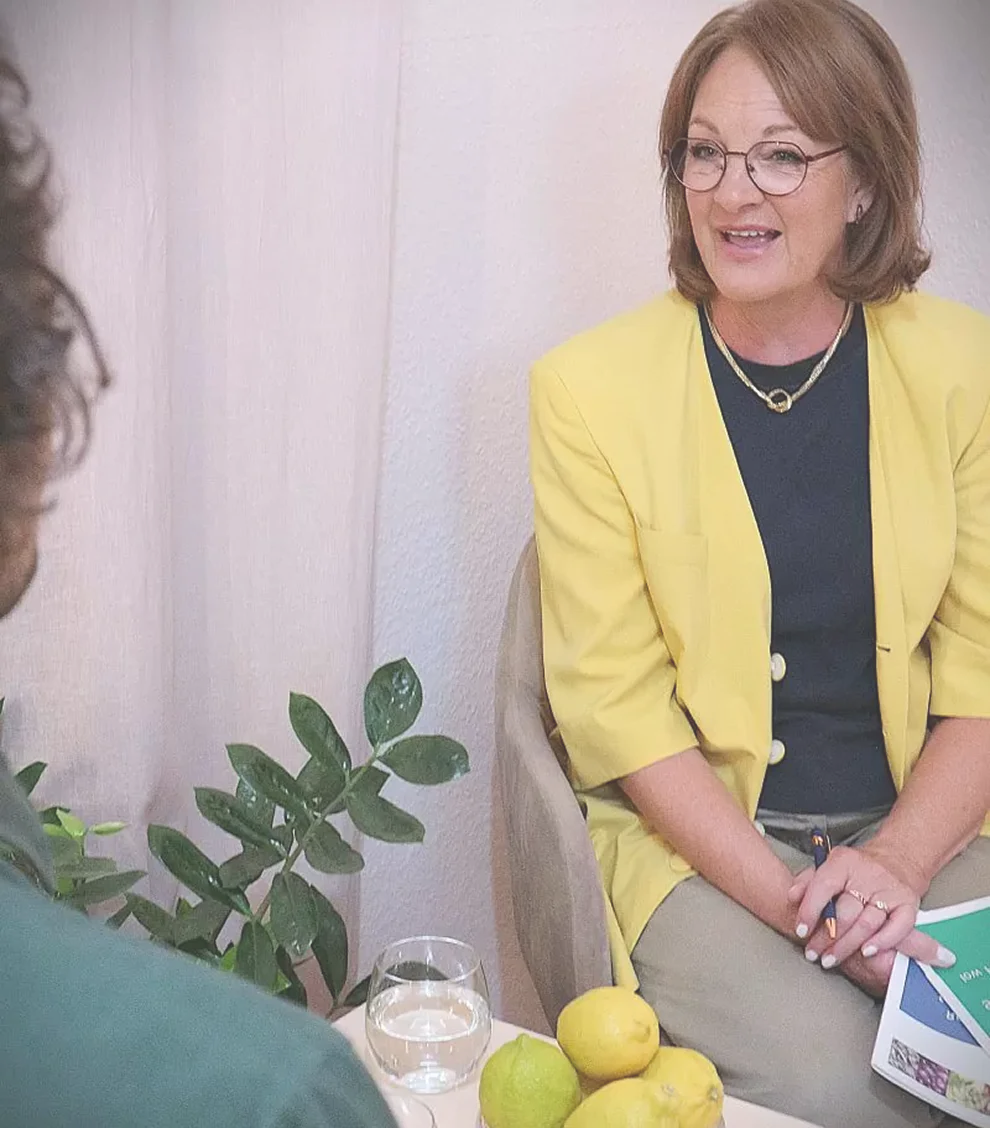
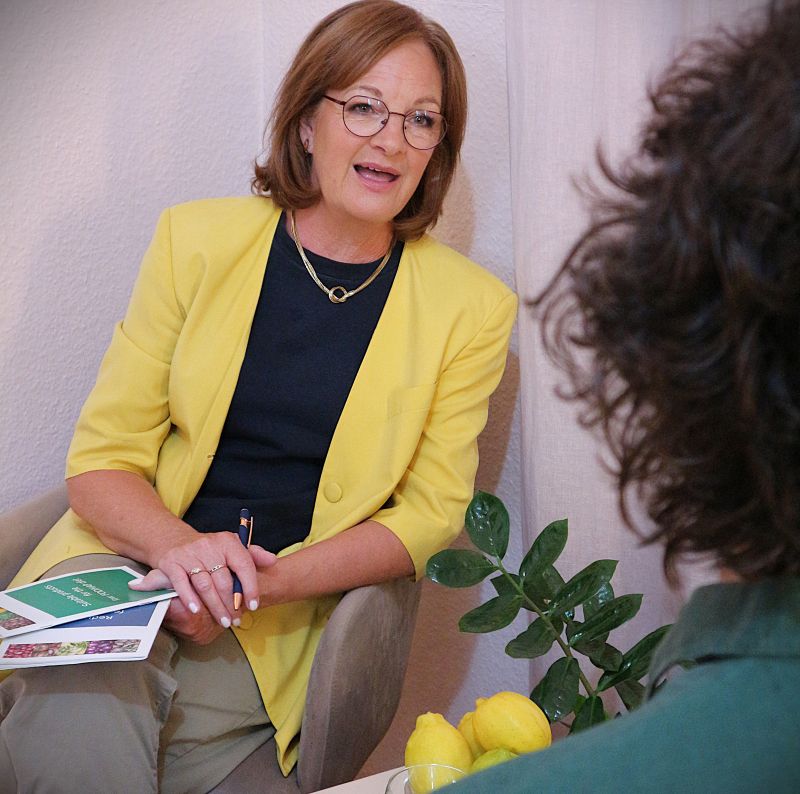
Living with irritable bowel syndrome (IBS) can feel overwhelming. Bloating, pain, and an unpredictable gut leave many people exhausted and frustrated. Around 1 in 6 people in the UK live with these symptoms. If you’ve tried managing things alone and found little success, you’re not unique either. But many stumble with the complexity of the diet and miss out the all-important reintroductions phase, so never get to identify their triggers. Working with a FODMAP dietitian gives you the structure, expertise, and reassurance that self-guided attempts often lack. I can make it more simple for you, suggest some hacks and hold your hand so that you see the process through to the end.
Why the Low FODMAP Diet Is More Complex Than It Looks
The low FODMAP diet is one of the most effective tools for managing IBS, improving symptoms in around 75% of sufferers when followed with the expert guidance of a trained Dietitian. But it isn’t simply a case of cutting out certain foods. Common pitfalls include:
- Over-restricting: avoiding far more foods than necessary, risking nutritional gaps and an unsustainable diet
- Skipping proper reintroduction: the elimination phase is only meant to last 4-8 weeks, but without guidance, many never move past it
- Misreading triggers: IBS symptoms aren’t always about FODMAPs alone
- Losing motivation: conflicting advice online leads many to give up before seeing results
The Gut-Brain Connection
One reason IBS is so complex is the gut-brain axis – the constant two-way communication between your digestive system and your nervous system. Stress, anxiety and even excitement can influence gut sensitivity and motility, which is part of why symptoms can flare even when your diet hasn’t changed. Understanding this connection is a key part of getting a full picture of your IBS, rather than focusing on food alone.
Still Struggling despite making Changes to your Diet?
If you’ve changed your diet but your IBS symptoms aren’t improving, you’re not alone. Or maybe you’ve even been trying the low FODMAP diet and it isn’t working as you hoped. It’s rarely down to a lack of effort. Usually, there are clear reasons why. Understanding them is the first step towards real progress. Our Help! page explains the common causes. Or go straight to IBS symptoms not improving or low FODMAP diet not working.
Understanding FODMAP Stacking
Another commonly missed factor is FODMAP “stacking” – the idea that eating several moderate FODMAP foods across one meal or day can add up to a high FODMAP load, even if no single food seems problematic on its own. This is one of the reasons people following the diet without support often feel like they’re “doing everything right” yet still reacting. A dietitian can help you see these patterns in your own diet that are easy to miss alone.
How a FODMAP Dietitian Can Help
✔ Personalised guidance tailored to your specific diet, lifestyle and triggers
✔ Step-by-step support through elimination, reintroduction to better health
✔ Evidence-based advice, backed by research rather than internet or AI guesswork
✔ Practical tips and recipes that fit around real, busy family life
✔ Improved quality of life – advice on managing at work, eating out and socialising
Real Success Stories
Don’t just take my word for it, here’s what some of my clients have said:
“For the first time in 17 years I’m pain free. I can finally sit, sleep and eat without discomfort. It has been truly life changing.” – LR, Bristol
“With Debra’s support, I was able to grasp the concept of the low FODMAP diet and confidently manage my symptoms. It has totally changed my life.” – JC, Cardiff
“I cannot believe the difference this diet has made to my quality of life. I’ve lost weight, feel energised and I’m now running 10k regularly!” – NT, Chepstow
“I’m just a few days into working with Debra on the low FODMAP diet, and I’m already noticing less bloating.” – HMc, Wiltshire
Read about more client experiences.
Change your life in just three sessions
Need help to manage your IBS symptoms? I’m based in Cardiff and Bristol, but work with IBS sufferers across the UK through online sessions. The vast majority of my clients have found that only three sessions are needed before they feel confident to move forward on their own. I will send you booklets (produced by KCL), which have an extensive list of all the foods you can eat on the low FODMAP diet. I’m available for advice and support between sessions. Find out more about my IBS symptoms relief package. I offer a free initial telephone call for you to decide whether the low FODMAP diet is right for you.
So give me a call or fill out the contact form.
To help you decide if this is the right approach for you, see my webpage about IBS treatment.
If you’re ready to understand your gut-brain connection and take the guesswork out of the low FODMAP diet, a FODMAP dietitian can help you get there – with support, not just restriction.
Disclaimer: This blog is for informational purposes only and should not be considered medical advice. If you are experiencing persistent digestive symptoms, please consult a healthcare professional.