
Irritable bowel syndrome (IBS) is one of the most common gut conditions. Many people live with bloating, abdominal discomfort and unpredictable bowel habits without realising that their symptoms could be linked to IBS. If you’ve been wondering “are my symptoms IBS?” you’re not alone. Understanding the signs and knowing that there are effective treatment options, such as the low FODMAP diet, can be the first step towards feeling better. Try out the FREE Recipes and IBS Symptom Tracker.
What is IBS?
IBS is a long-term condition that affects how the gut functions. It’s a functional disorder, meaning that while the structure of the bowel looks normal, it doesn’t always work as it should. IBS can cause significant discomfort and disruption to daily life, but thanksfully it doesn’t damage the bowel or increase your risk of serious disease.
IBS can be difficult to talk about, but it’s much more common than you think. In fact, IBS affects 1 in 5 people at some stage of their lives. IBS is often described as a ‘functional gut disorder’. This is often treated with medication to try and manage the symptoms. However, drug treatment can often add to problems. The symptoms of IBS are very individual, but often include bloating, abdominal cramps and pain, excessive wind, diarrhoea and constipation to name just a few. IBS symptoms has an emotional knock-on effect, increasing stress levels, causing anxiety and embarrassment and significantly affecting a sufferers’ work and social life.
Because IBS is different for everyone, symptoms can be confusing, frustrating and unpredictable. Some people experience only mild problems, while others find IBS has a big impact on work, social life, and overall wellbeing.
Recognising the symptoms
The most common symptoms of IBS include:
- Abdominal pain or cramping, often relieved by going to the toilet
- Bloating and excessive wind, which can be embarrassing
- Diarrhoea, constipation or alternating between the two, making it unpredictable
- A feeling that your bowels haven’t emptied fully
- Urgency or frequent toilet trips, causing extra stress at work or socially
In addition to these gut-related symptoms, many people also report tiredness, nausea and disrupted sleep. Symptoms may be worse at certain times of the month, during periods of stress or after particular foods.
Because IBS overlaps with other gut conditions, it’s always sensible to discuss your symptoms with your GP to rule out anything more serious. But, if you think you have IBS, you can begin to focus on some practical steps to manage it.
What can trigger IBS symptoms?
IBS symptoms can be unpredictable, but there are several common triggers:
- Food – certain carbohydrates (FODMAPs) are poorly absorbed and can cause bloating, gas and pain
- Stress and anxiety – the gut and brain are closely connected and stress can worsen IBS symptoms
- Hormones – many women find their symptoms flare up around their menstrual cycle
- Lifestyle factors – disrupted sleep, lack of exercise or irregular meal patterns can contribute
Identifying which of these play a role in your IBS can feel overwhelming on your own, which is why professional support is so valuable. So, if you’ve been asking yourself “are my symptoms IBS?” and your experiences sound familiar, there are proven ways to take back control. With my expert guidance and the low FODMAP diet, you can reduce your symptoms, rebuild confidence and enjoy a more comfortable, flexible lifestyle.
Managing IBS with the low FODMAP diet
One of the most effective dietary approaches for IBS is the low FODMAP diet. This approach is recommended as an effective treatment by NICE and used within the NHS. Research shows that over 75% of people with IBS notice significant improvements when following the low FODMAP diet with professional guidance. FODMAPs are a group of fermentable carbohydrates found in everyday foods such as wheat, onions, garlic, beans and certain fruits. In sensitive guts, these can cause the familiar symptoms of IBS.
The low FODMAP diet works in three phases:
- Elimination – temporarily removing high FODMAP foods to calm the gut and reduce symptoms
- Reintroduction – carefully testing one food group at a time to pinpoint your personal triggers
- Personalisation – building a long-term eating plan that avoids your triggers but still includes a wide, varied diet
The low FODMAP diet is a short-term intervention to help identify your triggers. You don’t need to follow the diet lifelong.
How I can help
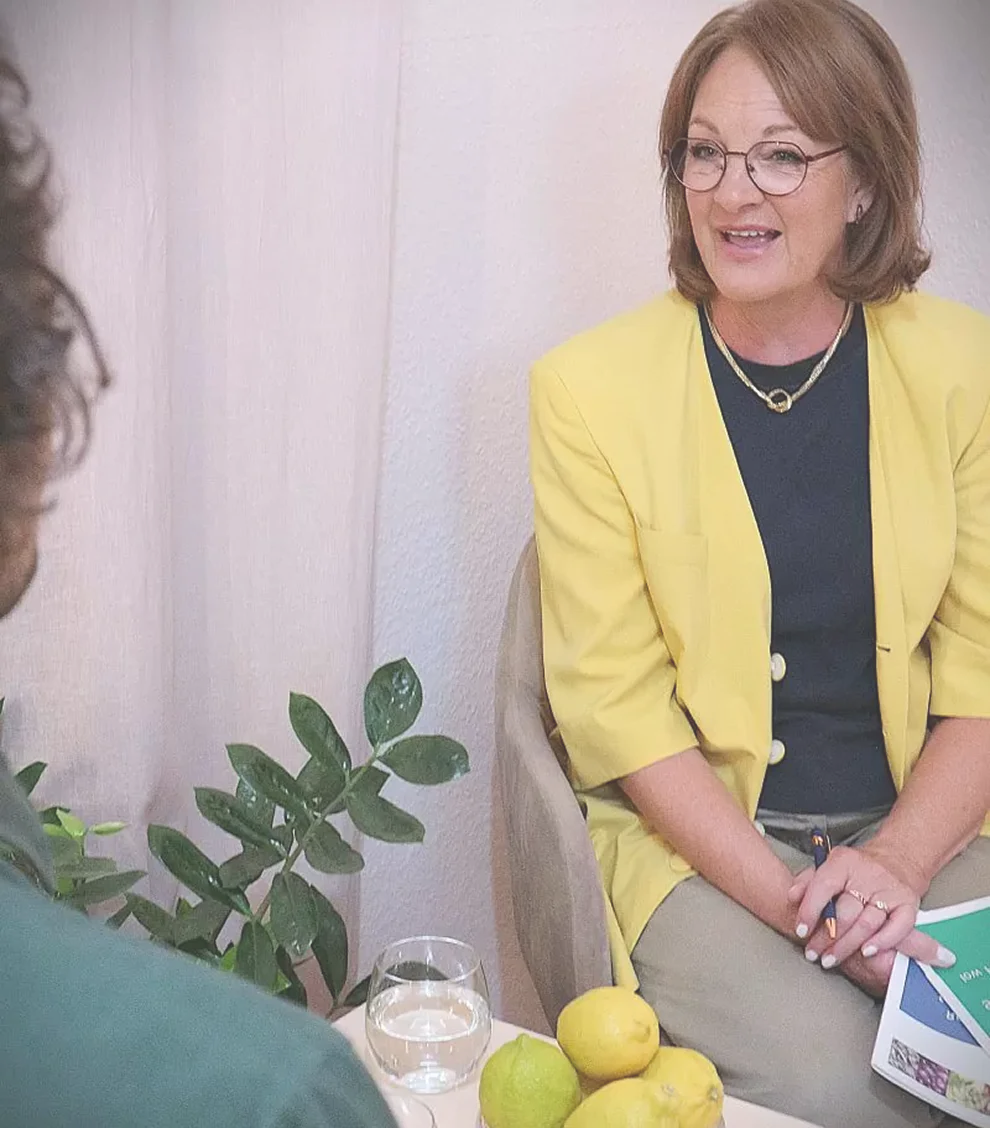
Trying to follow the low FODMAP diet alone can be confusing and restrictive. At FODMAP Consultancy, I provide step-by-step, tailored support that makes the process simple and effective. In just three sessions, you can:
- Understand which foods are triggering your symptoms
- Learn how to adapt meals without missing out on flavour or variety
- Gain confidence in eating out and cooking at home
- Reduce daily discomfort and enjoy more control over your gut health
Together, we focus not just on food, but also on lifestyle strategies too. I can help you fit the low FODMAP diet into your busy lifestyle. I will advise on stress management, meal timing and practical tips to help you manage the diet and help you get back to better health without your life being dominated by your IBS symptoms.
Change your life in just 3 sessions
If you’re ready to take control of your IBS, now is the perfect time to get back on track to better health. At FODMAP Consultancy, I specialise in guiding people step by step through the low FODMAP diet. With my expert dietitian-led advice, you’ll gain the tools to manage symptoms confidently. With professional guidance, the low FODMAP diet doesn’t have to be overwhelming—or nutritionally risky. Working with a FODMAP-trained dietitian makes the process safer, shorter and far more effective. Together we can find your triggers, expand your diet, and restore confidence in what you eat.
I have a base in Cardiff and Bristol, but work with IBS sufferers across the UK through online sessions. Most of my clients find that only three sessions are needed before they feel confident to move forward on their own. The booklets I’ll send you, have an extensive list of all the foods you can eat on the low FODMAP diet. Find out more about my IBS symptoms relief package. I offer a free initial telephone call for you to decide whether the low FODMAP diet is right for you. So give me a call or fill out the contact form.
To help you decide if this is the right approach for you, see my webpage about IBS treatment and testimonials of those I’ve helped to get their life back on track.
Disclaimer: This blog is for informational purposes only and should not be considered medical advice. If you are experiencing persistent digestive symptoms, please consult a healthcare professional.