
One of the most exciting areas in digestive health research right now is the relationship between the gut microbiome, IBS and FODMAPs. Research carried out worldwide, shows how the trillions of microorganisms living in our gut influence not just digestion, but immunity, mental health, weight regulation and much more. For those living with IBS, the question is how can a healthy microbiome improve IBS symptoms. Maybe you’re unsure if you have IBS, try my Free Recipes and Symptom Tracker and read the IBS FAQs.
The microbiome and IBS
The human body is home to an estimated 39 trillion bacteria, viruses and fungi, collectively known as the microbiome. Some microorganisms are associated with disease, while others are essential for keeping us healthy. The beneficial microorganisms support immune function, heart health, weight regulation, mental wellbeing and gut function. Recent research shows that sufferers of IBS have a disrupted gut microbiome, known as dysbiosis. Common IBS symptoms include bloating, abdominal pain, excess wind and changes in bowel habits, typically diarrhoea, constipation or a mixture of both. The good news is that dietary and lifestyle changes not only help to improve these symptoms, but can also help to restore a healthier balance of gut microorganisms over time. In the UK, IBS is estimated to affect around 1 in 6 people, making it one of the most prevalent gastrointestinal conditions in the country.
IBS treatment options
A range of treatment options are available in the UK for managing IBS symptoms, and the best approach is usually a combination of strategies tailored to the individual. Lifestyle changes, including dietary modification, stress management and regular physical activity remain the cornerstone of IBS management. Over-the-counter antispasmodics and laxatives can provide some relief for mild symptoms, while low-dose tricyclic antidepressants or serotonin modulators are often prescribed for more persistent or severe cases. However, this is just masking symptoms, not necessarily addressing the root cause. Cognitive behavioural therapy and gut-directed hypnotherapy are also effective non-pharmacological approaches. Current best practice supports a combination of dietary, psychological and medical management. When it comes to dietary interventions, the low FODMAP diet is one of the most evidence-based tools available, with research showing it improves symptoms in over 75% of IBS sufferers.
What is the low FODMAP diet and how does it work?
‘FODMAP’ stands for Fermentable Oligosaccharides, Disaccharides, Monosaccharides and Polyols are a group of fermentable carbohydrates that are poorly absorbed in the small intestine. In people with IBS, these pass into the large intestine where they ferment, drawing in water and producing gas, which leads to the familiar and uncomfortable symptoms of bloating, pain, wind and altered bowel habits.
The low FODMAP diet is a structured, temporary dietary programme designed to identify individual food triggers. It has two main phases: an elimination phase, where higher FODMAP foods are restricted for around four to six weeks. Then a reintroduction phase, where foods are systematically reintroduced to identify which, and in what quantities, provoke symptoms. Once triggers have been identified, a personalised long-term diet is established, meaning most foods can eventually be reintroduced and a varied, balanced diet maintained. This is not a life sentence of restriction, it’s a process of discovery.
Do probiotics support a healthy microbiome?
Probiotics are live beneficial bacteria found in certain foods: live yoghurt, kefir and fermented vegetables or in supplements. They work by helping to restore and maintain a healthy balance of gut bacteria, supporting digestion, immune function and gut barrier integrity. A major meta-analysis, covering 72 randomised controlled trials, found modest but significant improvements in IBS symptoms and abdominal pain with probiotic use. More recent evidence points to the potential advantages of multi-strain probiotics, with research suggesting that broader microbial diversity may enhance clinical benefits. Current UK guidelines support the use of probiotics as part of IBS management, though guidance from a healthcare professional is advisable to ensure you’re selecting the most appropriate option for your symptoms.
The role of a FODMAP dietitian
Navigating the low FODMAP diet alone is genuinely challenging. Without expert guidance, many people find themselves following an unnecessarily restricted diet for too long. This can lead to nutritional deficiencies and an unhealthy relationship with food.
Best results are consistently seen when the diet is supported of a FODMAP-trained dietitian. As an expert dietitian, I can customise the approach to your specific needs. Thus ensuring nutritional balance throughout and guide you efficiently through all three phases of the diet.
For some, a modest amount of weight loss occurs during the restriction phase. Whilst this which can feel like a bonus for some, for others this can be a concern. Personalised guidance helps to manage this appropriately. With the right support, being more comfortable, more confident life around food is not only achievable, it’s sustainable.
In summary
The relationship between the microbiome and IBS is one of the most dynamic and rapidly evolving areas in gut health. A healthy microbiome can improve IBS symptoms and is influenced by both diet and lifestyle. The support of a specialist dietitian through the low FODMAP diet, remains one of the most effective tools for identifying IBS triggers. If you have IBS or persistent gastrointestinal symptoms, give me a call to find out how I can help. I offer a FREE discovery call to ensure that this is the right approach for you.
Change your life in just three sessions
Are you ready to take control of your IBS? Now is the perfect time to get back on track to better health. At FODMAP Consultancy, I specialise in guiding people step by step through the low FODMAP diet. With expert dietitian-led support, you’ll gain a greater understanding of your triggers. You’ll be able to manage your symptoms and build a diet that truly works for you. With professional guidance, the low FODMAP diet doesn’t have to be overwhelming or nutritionally risky. Together, we can find your triggers, expand your diet and restore your confidence in eating.
Online advice and support across the UK
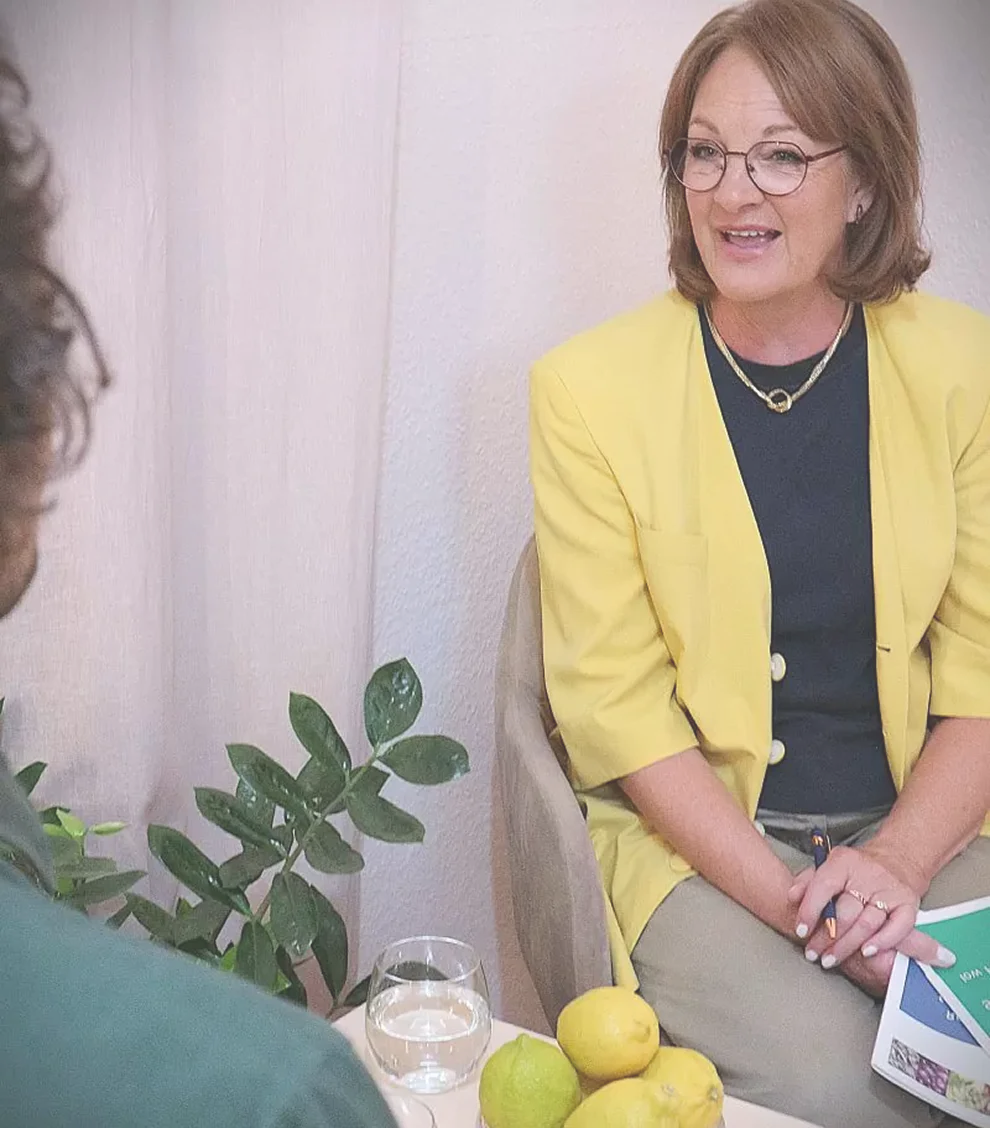
I have a base in Cardiff and Bristol, but work with IBS sufferers across the UK through online sessions. Most clients need only three sessions. Then they feel confident to move forward on their own. I use booklets produced by Kings College, London. ‘These have an extensive list of all the foods you can eat on the low FODMAP diet. Find out more about my IBS symptoms relief package. I offer a free initial telephone call for you to decide whether the low FODMAP diet is right for you. So, give me a call or fill out the contact form.
See my webpage about IBS treatment to help you decide whether this is the right approach for you. Also, the many success stories of those I’ve helped to get their life back on track.
Disclaimer: This blog is for informational purposes only and is not medical advice. If you are experiencing persistent digestive symptoms, please consult a healthcare professional.