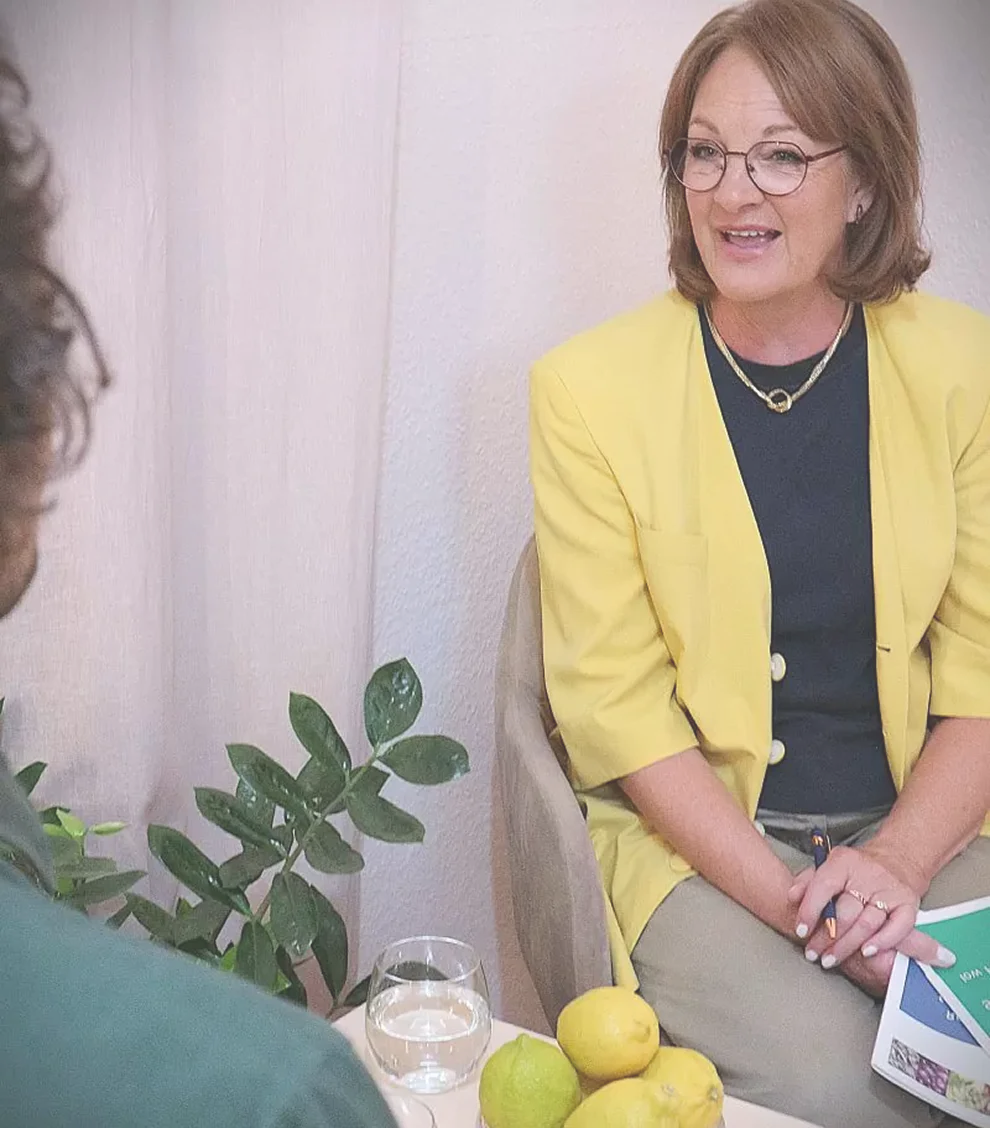
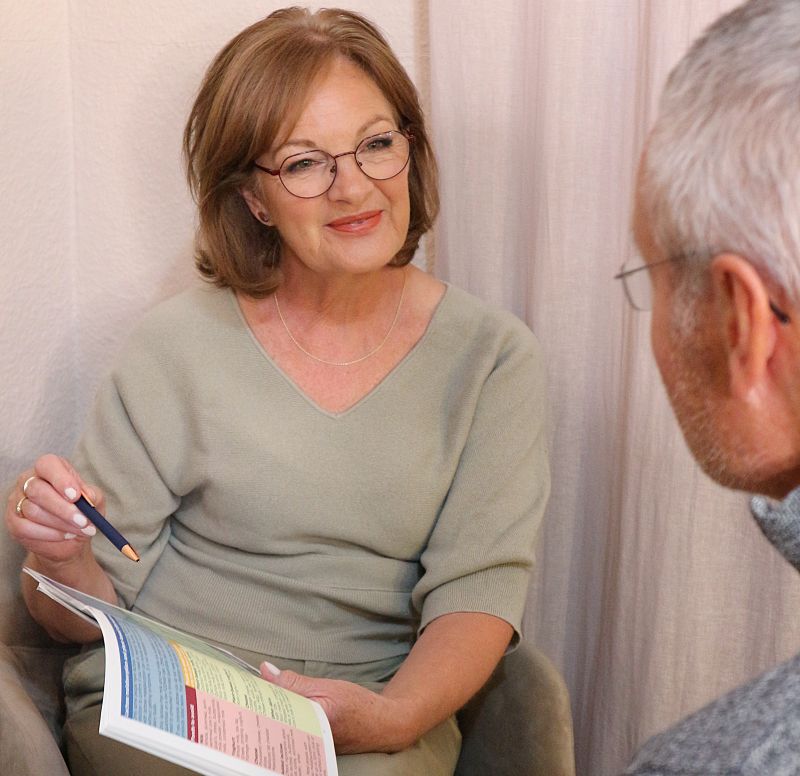
Unsure if your symptoms are IBS? Take the FREE Recipes and IBS Symptom Tracker or look at the IBS FAQs. If you do have IBS though, the low FODMAP diet is one of the most effective evidence-based strategies for managing irritable bowel syndrome (IBS). By reducing some fermentable carbohydrates, many people experience improvements in bloating, abdominal pain, wind and bowel habit changes. But while the science is sound, the reality of implementing the diet is not always straightforward. For ease of implementation and quicker success, your low FODMAP journey should always start with a Dietitian. So, the answer is a resounding ‘yes’ and adietitian can help with IBS.
Many people are tempted to go it alone. Often a well-meaning GP offers a downloaded food list from the internet. This is often because FODMAP Dietitians are a rare commodity in the NHS. Or you may be following a social media trend or relying on advice from friends. Research shows that a self-guided approach often leads to unnecessary restrictions, nutrient deficiencies and inconsistent results. This is where working with a dietitian makes all the difference. Read the many testimonials for those I’ve helped achieve freedom from their IBS.
Personalised guidance for your unique symptoms
IBS is not a one-size-fits-all condition. What triggers severe bloating in one person may not cause symptoms in another. A dietitian-led low FODMAP plan helps you pinpoint your specific triggers through a structured elimination, then reintroduction process. Instead of cutting out wide categories of food indefinitely, you gain clarity and confidence on which FODMAP groups really matter for you.
By contrast, going it alone often leads to staying stuck in the strict elimination phase, which is not recommended beyond 4–6 weeks. Without reintroduction, the diet becomes unnecessarily restrictive, affecting both nutrition and quality of life.
Protecting your nutritional health
Whole grains, fruit, vegetables, dairy — many of these nutritious foods contain FODMAPs. When people self-restrict without support, they risk falling short on essential nutrients such as fibre, calcium, iron and B vitamins. This can increase long-term health risks, from constipation to weakened bone health.
As an IBS dietitian, I can ensure that your low FODMAP diet remains balanced. With my wealth of experience and expertise, I’ll suggest safe swaps, portion adjustments and alternative foods that keep your diet varied and nourishing while still reducing IBS symptoms. The low FODMAP diet does not have to be boring or bland!
Supporting your gut microbiome
Your gut microbiome thrives on diversity. A strict, prolonged low FODMAP diet can reduce beneficial bacteria, particularly those that produce short-chain fatty acids important for gut and overall health. As a FODMAP Dietitian, I’m trained to help you transition beyond restriction, gradually reintroducing FODMAP-containing foods to maintain your microbial diversity.
Trying to navigate this balance without expert input often means missing the opportunity to reintroduce foods successfully, leading to a more restrictive diet and a less resilient gut over time. Read more about the gut and microbiome in my blog.
Managing the emotional side of IBS
IBS doesn’t only affect your digestion — it also impacts on your social and work life, mental health and confidence around food. Fear of symptoms can make people anxious about eating out, travelling or trying new recipes. I understand this emotional burden and can provide reassurance, practical strategies and realistic solutions for your day-to-day life.
For example, I can help you plan meals at home, making simple substitutions using low FODMAP foods and also help you identify safe options when eating out. In short, I’ll help you fit the low FODMAP diet into your busy life and make it varied and interesting. This kind of support is not available when you attempt the low FODMAP diet alone.
Evidence-based and up to date
The low FODMAP diet is a rapidly evolving area of research. Portion sizes, food testing and tolerance thresholds are updated regularly as new data emerges. My resources stay up to date with the latest Monash University findings and other international research, ensuring you receive advice that reflects current best practice.
Online food lists and blogs, however, can quickly become outdated or inaccurate – meaning you may cut out foods unnecessarily or, worse, continue to eat foods that trigger your symptoms.
Faster progress, better outcomes
Low FODMAP success starts with a Dietitian. The biggest advantage of working with me is efficiency. A tailored plan, regular check-ins and professional guidance mean you will get your symptoms under control sooner than going it alone.
Instead of months of guessing, you can move through the three phases of the diet (elimination, reintroduction and personalisation) in a structured and timely way. This not only improves your symptoms but also gives you long-term confidence to manage IBS in your daily life. Read more about how a Dietitian can transform your life in my blog post.
So, can a Dietitian help with IBS?
IBS can feel overwhelming and it’s understandable why many people try to solve it themselves. But the difference between struggling with uncertainty and thriving with confidence often lies in having expert support. With my expert advice and support, your low FODMAP journey will be much more manageable. It will not only bring about effective symptom relief but also be sustainable, nutritious and supportive of your overall wellbeing.
Change your life in just 3 sessions
If you’re ready to take control of your IBS, now is the perfect time to get back on track to better health. At FODMAP Consultancy, I specialise in guiding people step by step through the low FODMAP diet. With my expert dietitian-led advice, you’ll gain the tools to manage symptoms confidently. With professional guidance, the low FODMAP diet doesn’t have to be overwhelming—or nutritionally risky. Working with a FODMAP-trained dietitian makes the process safer, shorter and far more effective. Together we can find your triggers, expand your diet, and restore confidence in what you eat.
I have a base in Cardiff and Bristol, but work with IBS sufferers across the UK through online sessions. Most of my clients find that only three sessions are needed before they feel confident to move forward on their own. The booklets I’ll send you, have an extensive list of all the foods you can eat on the low FODMAP diet. Find out more about my IBS symptoms relief package. I offer a free initial telephone call for you to decide whether the low FODMAP diet is right for you. So give me a call or fill out the contact form.
To help you decide if this is the right approach for you, see my webpage about IBS treatment and success stories of those I’ve helped to get their life back on track.
Disclaimer: This blog is for informational purposes only and should not be considered medical advice. If you are experiencing persistent digestive symptoms, please consult a healthcare professional.